
Intergenerational Programs: How to Unite Kids, Adults, and Seniors in Your HOA Community
- luanneberk
- Sep 29, 2025
- 5 min read
Your HOA community doesn't have to feel like separate islands of different age groups. Picture this: kids teaching seniors how to use smartphones while grandparents share gardening secrets, teenagers organizing game nights that bring the whole neighborhood together, and parents finding unexpected friendships across generational lines.
That's the magic of intergenerational programs: and they're transforming HOA communities across the country into vibrant, connected neighborhoods where everyone feels valued and engaged.
What Are Intergenerational Programs?
Intergenerational programs are structured activities that bring together people of different ages for meaningful interaction, learning, and mutual support. Think beyond the occasional block party: these are intentional initiatives designed to create ongoing connections between kids, adults, and seniors in your community.
The beauty lies in the reciprocal nature of these programs. While seniors share wisdom and life experience, younger residents contribute energy, fresh perspectives, and often help with technology. Adults in the middle often serve as bridges, facilitating connections and bringing organizational skills to the table.
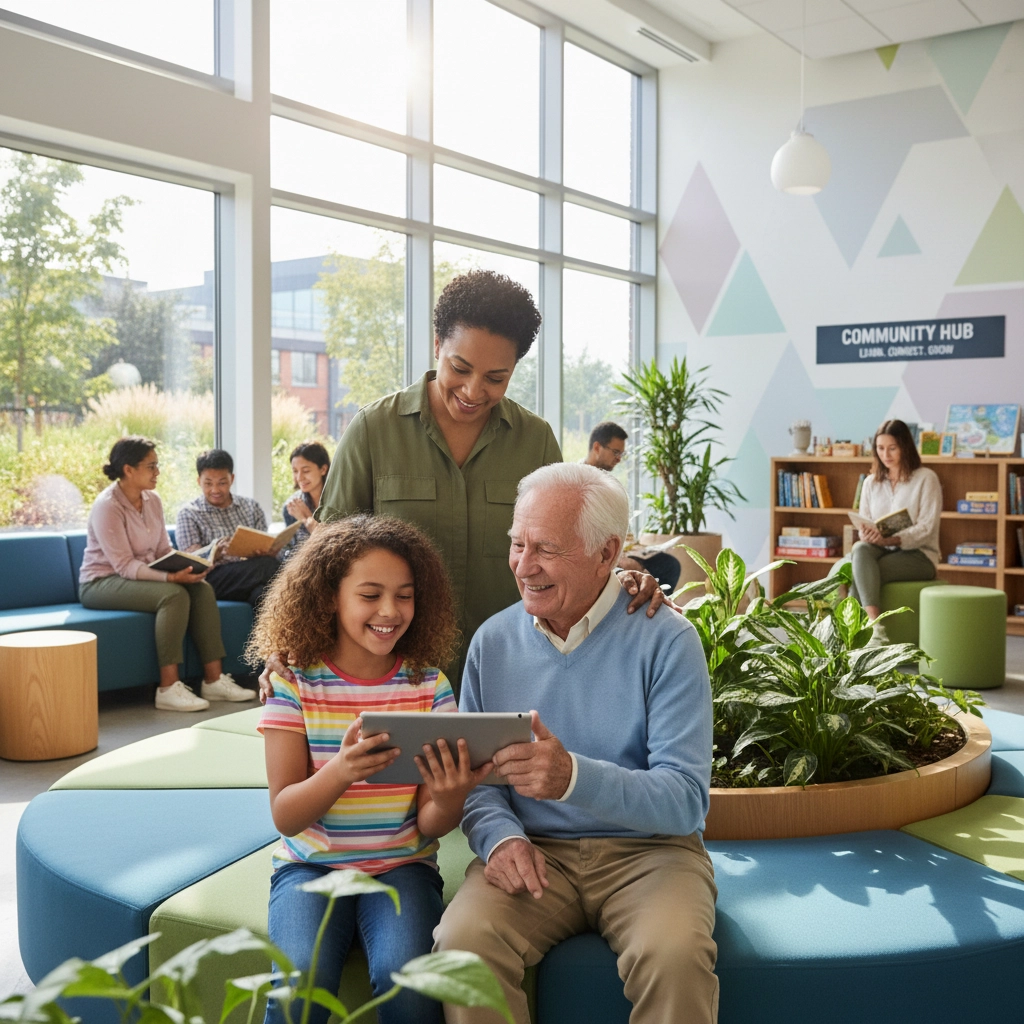
Research shows that participants across all age groups experience reduced isolation, improved mental and physical health, and a stronger sense of community belonging. For HOA communities specifically, these programs can turn a collection of houses into a true neighborhood where people genuinely care about each other.
The Powerful Benefits for Your HOA Community
Breaking Down Social Barriers
HOA communities often struggle with neighbors who live close but remain strangers. Intergenerational programs naturally break down these barriers by giving people common goals and shared experiences. When a 12-year-old helps an 80-year-old set up their tablet while learning about their neighbor's fascinating career as a pilot, both gain something valuable.
Enhanced Mental and Physical Well-being
Loneliness affects people of all ages, but intergenerational connections provide natural antidotes. Seniors who participate in these programs often report feeling more energetic and mentally sharp, while children and teens develop empathy and broader perspectives on life. Adults benefit from expanded social circles and the joy of watching meaningful connections form.
Reduced Community Conflicts
Here's something interesting: communities with strong intergenerational programs report fewer neighbor disputes and complaints to the HOA board. When people know each other as individuals rather than "the loud family upstairs" or "the grumpy old man next door," they're more likely to resolve issues directly and compassionately.
Increased Property Values
Communities known for their strong social connections and active programming often see positive impacts on property values. Prospective buyers increasingly seek neighborhoods with engaged communities, especially families looking for places where their children can thrive.
Types of Programs That Actually Work
Skill-Sharing Workshops
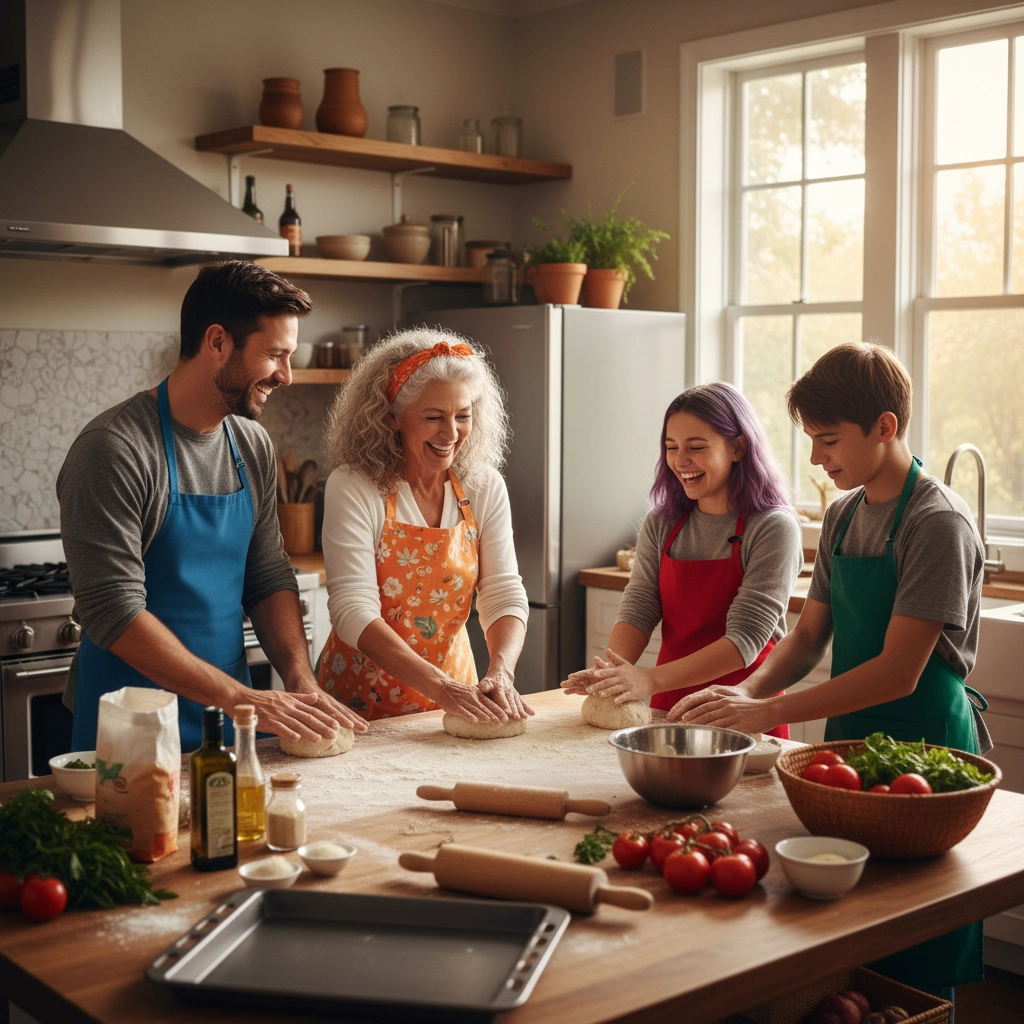
These are goldmines for intergenerational connection. Seniors can teach traditional crafts, cooking, woodworking, or gardening, while younger residents offer tech support, social media training, or lessons in new fitness trends. Monthly workshops create ongoing opportunities for learning and relationship building.
Mentoring Programs
Pair up residents for specific goals: high schoolers needing career advice with retired professionals, new homeowners with experienced neighbors, or families new to the area with longtime residents who know all the best local spots.
Community Garden Projects
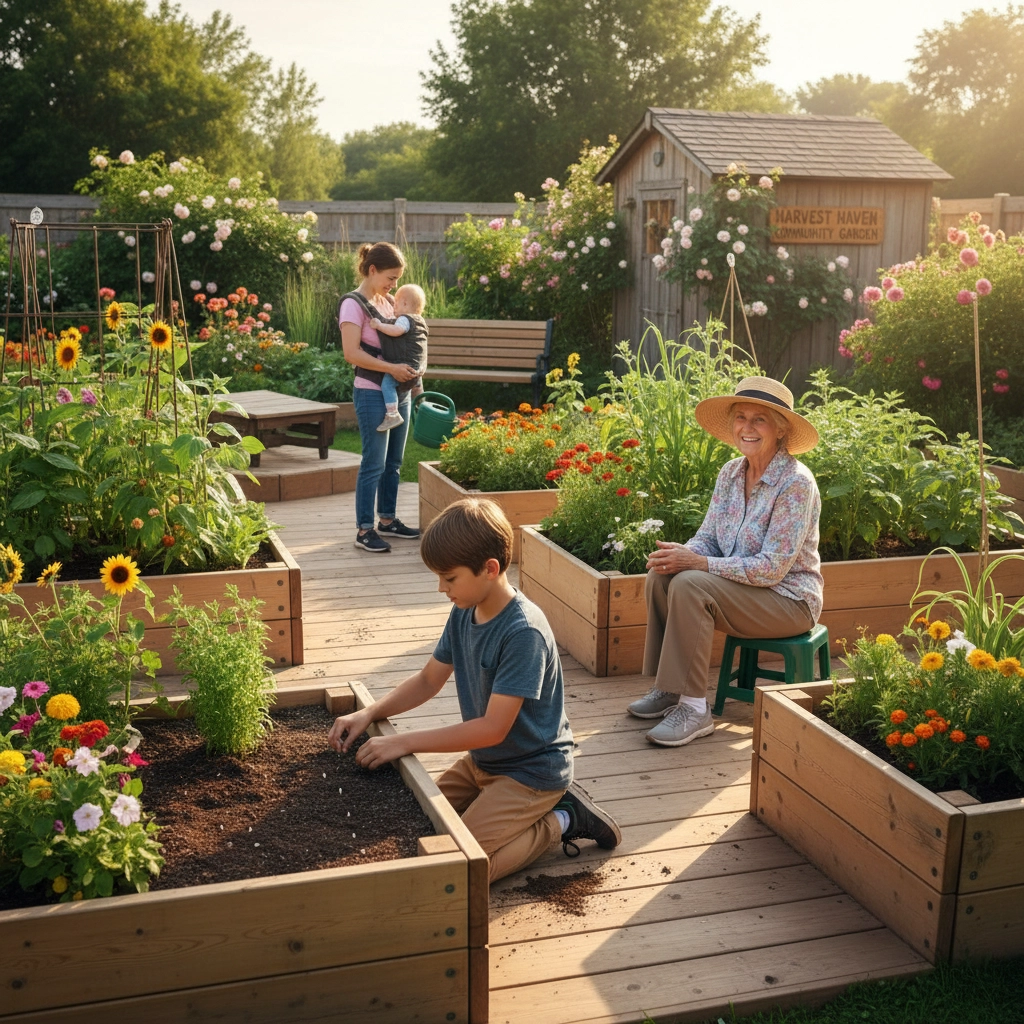
Nothing brings people together like getting their hands dirty for a common cause. Community gardens provide year-round opportunities for interaction, from planning and planting to harvesting and sharing the results. Kids learn responsibility, adults find stress relief, and seniors share decades of gardening wisdom.
Game Days and Social Events
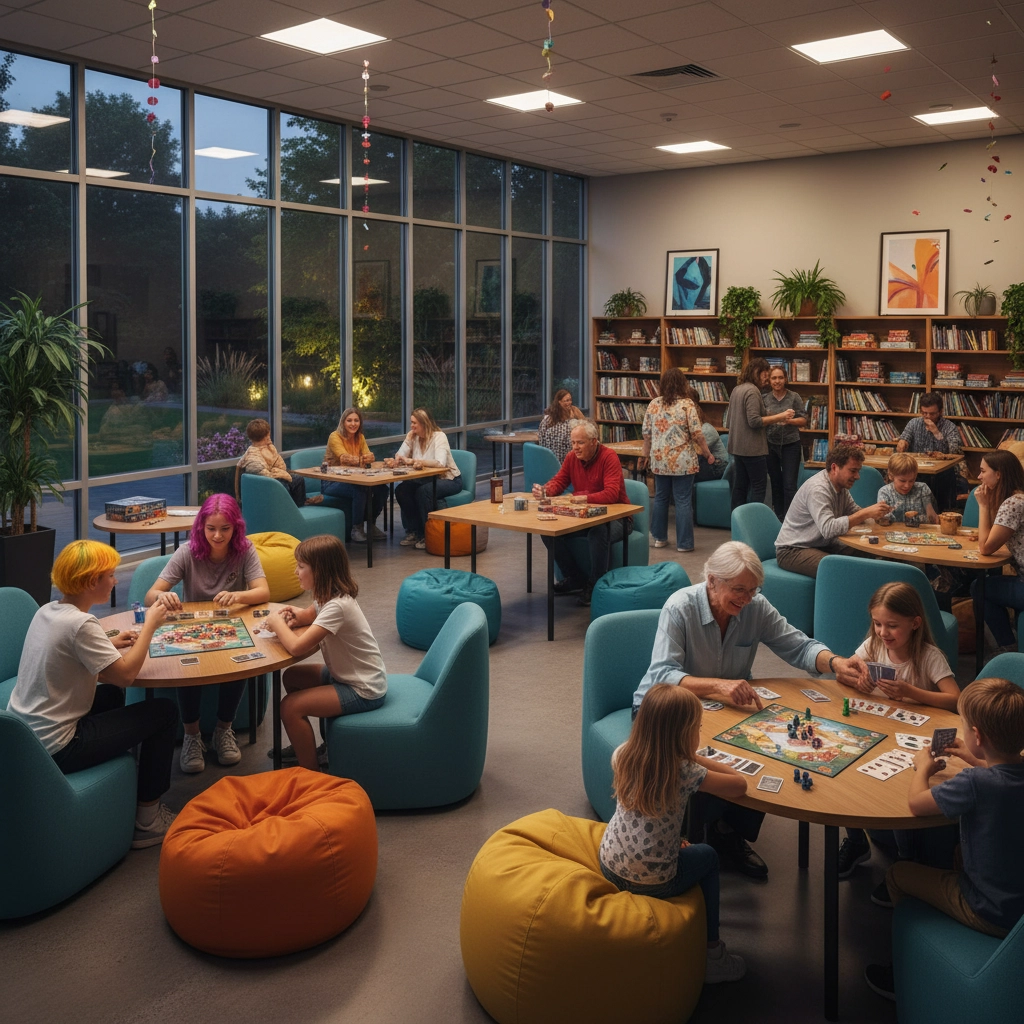
Regular game nights, movie screenings, or holiday celebrations give people excuses to gather regularly. Mix up the activities: video game tournaments alongside board games, classic movie nights paired with recent releases, and cultural celebrations that honor the diversity within your community.
Community Service Projects
Organize neighborhood clean-up days, food drives, or fundraisers for local causes. Working together toward shared goals builds strong bonds while making a positive impact beyond your community's borders.
Smart Implementation Strategies
Start Small and Build Momentum
Don't try to launch five programs at once. Begin with one or two simple initiatives: maybe a monthly coffee hour or seasonal celebration: and let success build naturally. Pay attention to what resonates with your residents and expand from there.
Survey Your Community First
Send out a simple survey asking residents about their interests, skills they'd like to share or learn, and preferred types of activities. You might discover hidden talents: a retired chef willing to teach cooking classes or teenagers interested in organizing sports tournaments.
Create Welcoming Spaces
Designate specific areas for intergenerational activities. This might mean rearranging your community center to be more accessible for seniors while still appealing to younger residents, or creating outdoor spaces where different activities can happen simultaneously.
Partner with Local Organizations
Reach out to nearby schools, senior centers, youth groups, or community colleges. Many organizations are eager to partner with residential communities for mutually beneficial programs. Local schools might welcome senior volunteers for reading programs, while community centers could help provide additional programming resources.
Focus on Regular, Predictable Programming
One-off events are nice, but regular programming builds relationships. Establish weekly or monthly activities that people can count on: like "Tech Tuesday" help sessions or "Friday Family Game Night."
Real Success Stories
The Generations of Hope model has been successfully implemented in communities from Portland to Tampa, creating supportive environments where different age groups thrive together. These communities report stronger social bonds, reduced turnover rates, and higher resident satisfaction scores.
In Wisconsin, the Plymouth Intergenerational Coalition demonstrated how smaller communities can develop successful programming through creative funding and community partnership approaches. They started with simple shared meals and expanded to include educational workshops, fitness classes, and community service projects.
Bridge Meadows in Portland takes the concept even further, creating an intentional multigenerational community where adoptive families, seniors, and others live in close proximity with built-in support systems. While most HOA communities can't replicate this exact model, the principles of intentional connection and mutual support are easily adaptable.
Getting Started in Your HOA
Form a diverse planning committee that includes representatives from different age groups and household types. Start by identifying the most enthusiastic supporters: these early adopters will help generate momentum and encourage broader participation.
Begin with a pilot program that requires minimal resources but offers clear value to participants. A monthly potluck dinner with rotating themes, a community walking group, or a skill-swap bulletin board can all serve as starting points.
Measure success not just by attendance numbers but by the quality of connections being formed. Are neighbors who didn't know each other before starting to chat outside events? Are residents volunteering to help organize activities? These are signs that your programs are building genuine community.
Ready to Transform Your HOA Community?
Intergenerational programs aren't just feel-good initiatives: they're practical strategies for creating the kind of neighborhood where people actually want to live long-term. Whether you're dealing with complaints about noise between generations or simply want to build stronger community connections, these programs offer proven solutions.
Visit Play Academy to discover more resources for building vibrant HOA communities, or explore our youth camps to see how structured programming brings people together. Your community is full of untapped potential for connection: it just needs the right opportunities to flourish.
The investment in creating intergenerational connections pays dividends in building a more cohesive, supportive neighborhood where residents of all ages feel valued, engaged, and truly at home.
Comments