
Pickleball Vs. Traditional Tennis: Which Sport Will Dominate Your Community (And Why It Matters)
- luanneberk
- Sep 26, 2025
- 5 min read
There's a racquet sport revolution happening in communities across America, and it's changing everything we thought we knew about recreational athletics. For decades, tennis reigned supreme as the go-to court sport for neighborhoods, country clubs, and recreation centers. But now there's a new player in town, literally: and it's called pickleball.
This isn't just about which sport has cooler equipment or faster gameplay. We're talking about a fundamental shift that could reshape your entire community's recreational landscape, social dynamics, and even property values. So let's dive into the great debate: pickleball vs. traditional tennis, and figure out which one's going to dominate your neighborhood.
The Pickleball Phenomenon: Why Everyone's Going Crazy
If you haven't heard about pickleball yet, you're about to. This sport has exploded from a backyard curiosity to America's fastest-growing sport, and for good reason. Picture this: you take a tennis court, shrink it down to about a quarter of the size, swap out those heavy racquets for lightweight paddles, and replace the fuzzy tennis ball with a plastic ball full of holes. Sounds simple, right?
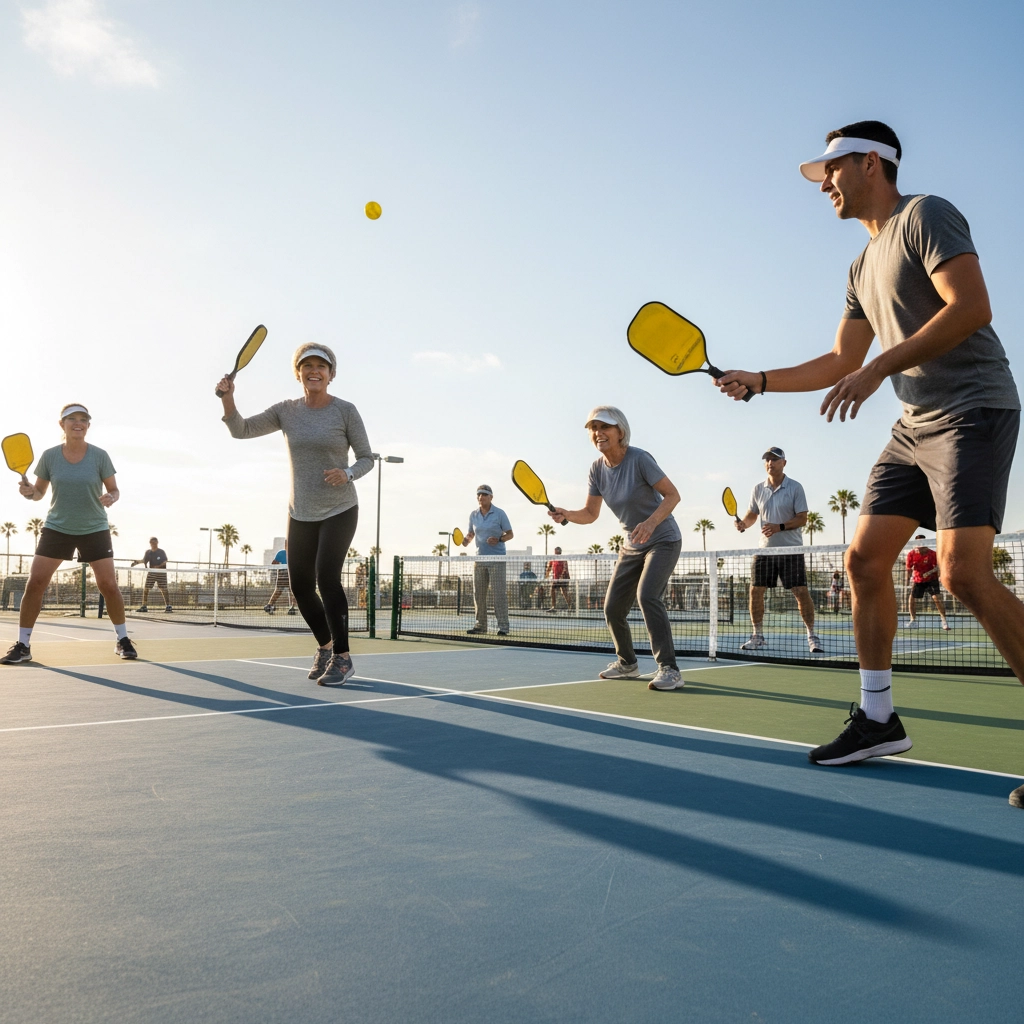
That simplicity is exactly what's driving pickleball's meteoric rise. The game is incredibly accessible: you don't need to be a collegiate athlete to pick up a paddle and start having fun. Most people can learn the basic rules in about 15 minutes and be playing competitively within their first hour on the court.
But here's where it gets interesting for community planners: pickleball is inherently social. Games are shorter than tennis matches, usually lasting 15-20 minutes, which means players rotate frequently. This creates natural opportunities for neighbors to meet, chat, and form connections. It's like the community barbecue of sports.
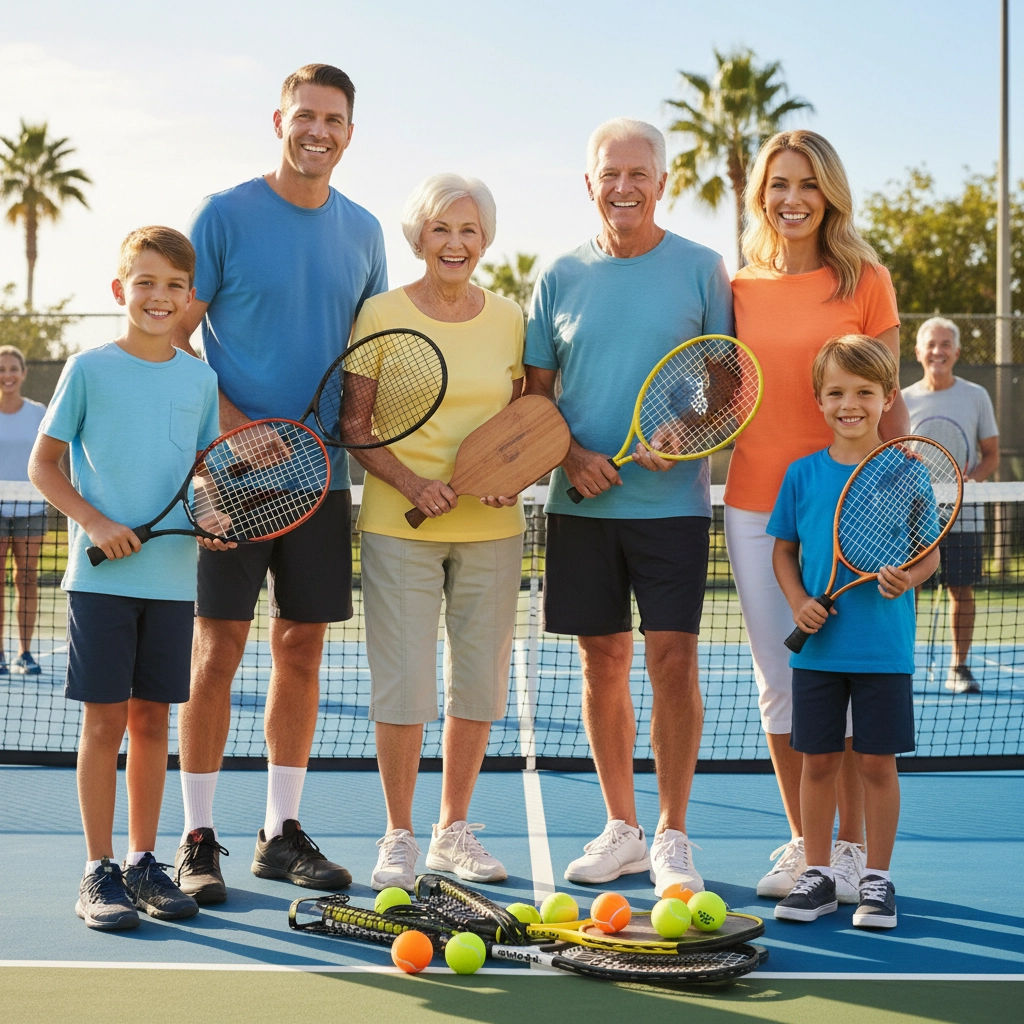
The demographics tell the story too. While tennis has traditionally skewed toward younger, more athletic players, pickleball attracts everyone from teenagers to octogenarians. Grandparents are playing alongside their grandkids, creating genuine intergenerational bonding that's rare in today's digital world.
Tennis: The Reigning Champion Isn't Going Down Without a Fight
Before we crown pickleball the community sport of the future, let's give tennis its due. This sport has been building communities for over a century, and it's not about to surrender without showing its strengths.
Tennis offers something pickleball can't match: prestige and tradition. There's a reason why Wimbledon draws millions of viewers worldwide and why tennis scholarships can change kids' lives. The sport has an established pipeline from local courts to professional careers, giving serious players something to aspire to beyond weekend recreation.
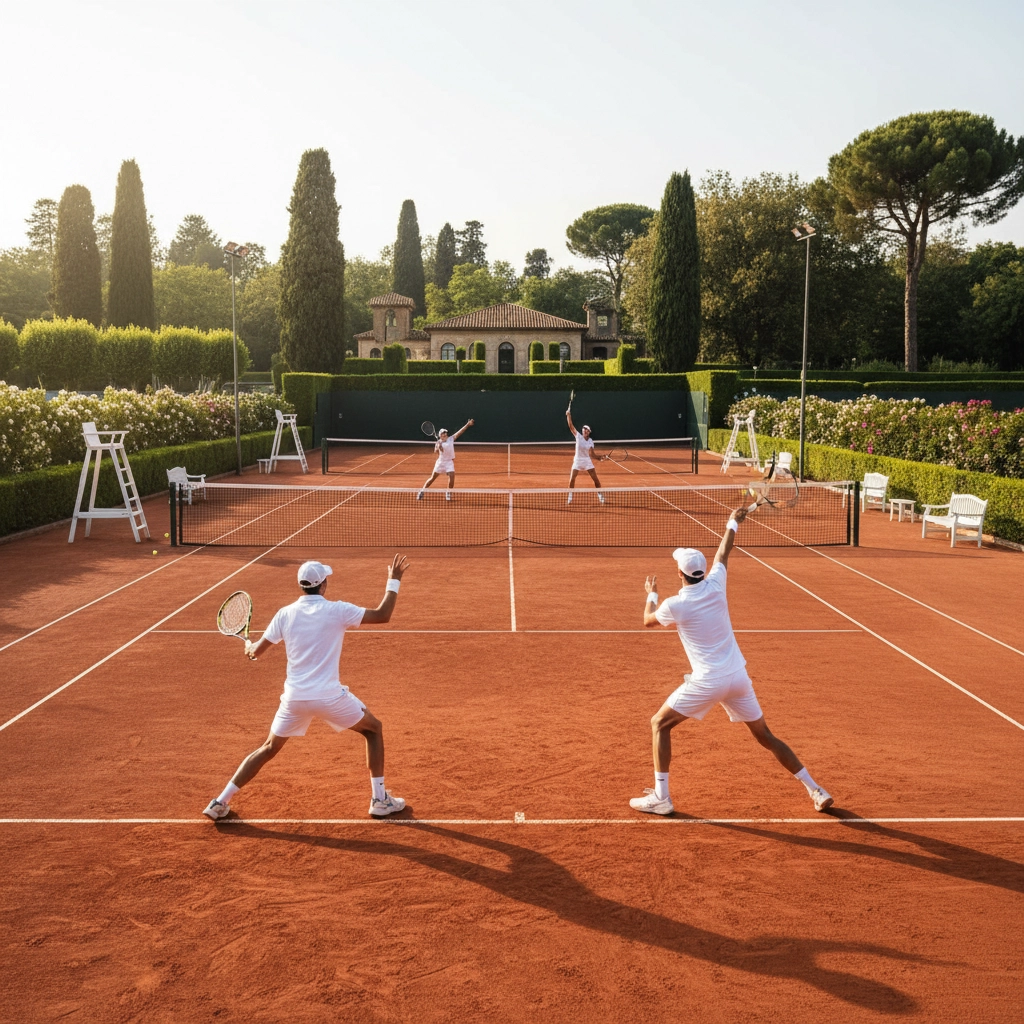
From a community development perspective, tennis facilities often serve as premium amenities that attract residents and boost property values. A well-maintained tennis complex signals that a neighborhood takes recreation seriously and invests in quality infrastructure.
Tennis also provides a more intense workout. The larger court means more running, the heavier equipment builds strength, and the faster-paced gameplay torches calories. For communities focused on fitness and athletic development, tennis delivers results that pickleball simply can't match.
Plus, let's be honest: tennis has that sophisticated appeal that attracts certain demographics. Country clubs, resort communities, and upscale neighborhoods often view tennis as part of their identity and lifestyle brand.
The Community Impact: What This Really Means for Your Neighborhood
Here's where things get really interesting. The choice between emphasizing pickleball or tennis in your community isn't just about sports: it's about values, inclusivity, and long-term vision.
The Pickleball Approach: Maximum Inclusion
Communities going all-in on pickleball are making a statement about accessibility and social connection. Because the sport is easier to learn and less physically demanding, it naturally attracts a broader demographic. This means your community courts become gathering spaces for everyone, not just the athletic elite.
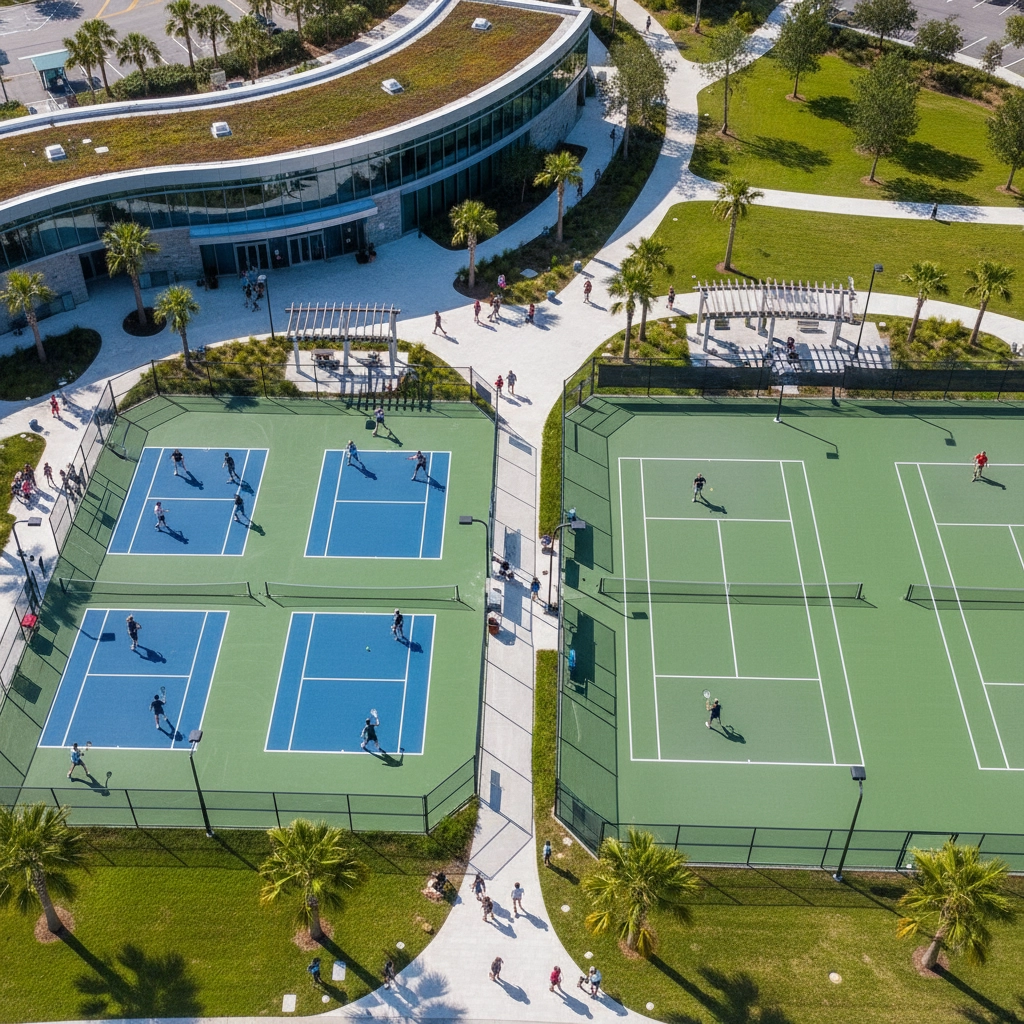
The economics work too. Pickleball courts take up less space than tennis courts, and you can fit four pickleball courts in the space of one tennis court. That's four times the potential players, four times the community engagement, and often four times the revenue for recreation programs.
The Tennis Approach: Competitive Excellence
Communities that maintain their focus on tennis are often prioritizing competitive development and athletic achievement. Tennis programs can feed into high school teams, college scholarships, and even professional development. For families with serious athletes, this pathway is invaluable.
Tennis facilities also tend to generate higher revenue per square foot through lessons, leagues, and tournament hosting. A well-run tennis program can actually subsidize other community recreation activities.
The Generational Divide: Who's Playing What
One of the most fascinating aspects of this debate is how it breaks down by age group. Younger players often gravitate toward tennis for its athletic challenges and competitive opportunities. The sport's connection to professional tournaments and college recruitment makes it attractive to ambitious athletes.
Meanwhile, pickleball has become the retirement sport of choice. But don't let that fool you: these aren't just seniors looking for gentle exercise. Many pickleball players are former tennis players who've discovered they can still compete at a high level without the physical punishment of running around a full-sized court.
The middle-aged crowd? They're split. Busy parents often prefer pickleball because games are shorter and easier to fit into packed schedules. But parents with athletic kids often stick with tennis to support their children's competitive development.
The Infrastructure Question: What Should Your Community Build?
If you're involved in community planning or recreation programming, this debate has real implications for your budget and space allocation. Here's the breakdown:
Pickleball Infrastructure:
Lower cost to build and maintain
Higher player capacity per square foot
Appeals to broader demographic
Easier to retrofit existing spaces
Growing rapidly, so equipment and instruction are increasingly available
Tennis Infrastructure:
Higher initial investment
More complex maintenance requirements
Established ecosystem of instructors and programs
Can host revenue-generating tournaments
Time-tested appeal that won't suddenly disappear
The Verdict: Coexistence Is the Real Winner
After analyzing the trends, demographics, and community impact, here's the truth: the communities that'll thrive are the ones that embrace both sports strategically.
Smart recreation planners are creating hybrid facilities where pickleball and tennis coexist. They're using tennis courts with removable pickleball nets, allowing the same space to serve different needs at different times. They're programming pickleball during peak senior hours and tennis during youth development times.
The real winners are communities that recognize these sports serve different but equally valuable purposes. Pickleball builds social connections and provides accessible recreation for all ages and abilities. Tennis develops competitive athletes and provides intense fitness opportunities.
What This Means for Your Community's Future
The pickleball vs. tennis debate matters because it reflects larger questions about inclusivity, accessibility, and community values. Communities that thoughtfully integrate both sports are positioning themselves to serve diverse populations while maximizing their recreational investments.
Whether you're a community manager, HOA board member, or just a resident who cares about neighborhood amenities, consider this: the future belongs to communities that offer choices, not those that force people to pick sides.
Ready to Transform Your Community's Recreation Scene?
If you're excited about bringing dynamic recreational programming to your community: whether that's pickleball, tennis, or both: Play Academy can help you make it happen. We specialize in creating inclusive, engaging recreation programs that bring neighbors together and build stronger communities.
Don't let your community get stuck in recreational mediocrity. Contact us today to explore how we can help you develop programming that serves everyone from competitive athletes to social players, ensuring your neighborhood becomes the kind of place where people love to live, play, and connect.
Comments