
From racquet sports and youth development to aquatics, fitness, spa and facility care — Play Academy delivers a local team fully committed to every community we serve. Not isolated services. Complete ecosystems.

We don't parachute in and disappear. Every community we partner with receives a dedicated local team, a single point of accountability, and programming tailored to its residents, amenities and culture. That is what Train Local means.
Play Academy operates as an integrated system — so your community never has to coordinate a dozen vendors. Each division is a specialty; together they run your amenities end to end.
Structured, scalable wellness ecosystems that drive engagement, retention and community identity.
Safe, structured youth programming that strengthens family retention and long-term community value.
Professionally managed aquatic operations focused on safety, liability mitigation and resident confidence.
The operational infrastructure behind exceptional community amenities — directors, reporting and systems.
Protecting and optimizing your community amenity assets so they always look and perform their best.
Strategic advisory for developers and boards seeking long-term amenity excellence from day one.
Bring us in early and we'll help plan, launch and operate amenities that sell homes, retain residents and protect asset value. From pre-construction feasibility to day-one programming and ongoing management, we integrate amenity strategy and operations from the very start.
Each community brings play into the heart of neighborhood life — with programming tailored to its residents and amenities.


Answer a few questions about your community and receive a tailored Community Blueprint — our recommended programming, services and next steps, ready to download.

We do basically any amenity service a community could need — team sports, racquets, water sports, martial arts, dance, personal training, fitness, spa, court maintenance, facility monitoring and more — organized into six specialized divisions.
From the first serve to the last lap, from summer camp to spa day — our programming spans every age, interest and ability level.
Tennis, pickleball, bocce and junior racquet programs for all ages and levels.
Youth sports leagues, soccer, basketball and multi-sport programming.
Swim lessons, aqua fitness, lifeguards and pool monitors.
Discipline, confidence and fitness through structured martial arts classes.
Dance formats and Zumba for kids, teens and active adults.
Yoga, Pilates, TRX, strength, HIIT, bootcamp, cardio and functional fitness.
Elevated wellness and spa experiences that complete the amenity lifestyle.
Camps, after-school and enrichment that keep families engaged year-round.
Har-Tru and clay court care — brushing, rolling, raking and algae prevention.
Trained monitors who keep amenities safe, orderly and welcoming.
Digital reservations, billing and front-desk management, handled for you.
Feasibility, audits and pre-construction planning for developers and boards.
Each division is a discipline of its own. Together, they operate your amenities end to end — so you coordinate one partner, not a dozen vendors.

Structured, scalable wellness ecosystems that drive engagement, retention and community identity — for every age and ability.

Safe, structured youth development programming that strengthens family retention and long-term community value.

Professionally managed aquatic operations focused on safety, liability mitigation and resident confidence.

The operational infrastructure behind exceptional community amenities — the people, systems and reporting that keep everything running.

Protecting and optimizing your community amenity assets so they always look — and perform — their best.

Strategic advisory for developers and boards seeking long-term amenity excellence — from the first blueprint onward.
Build your Community Blueprint and we'll recommend the right mix of programming and management for your amenities, residents and goals.

Developers, builders and property managers choose Play Academy as their vertically integrated amenity partner — from the first blueprint through daily operations.
 From blueprint to grand opening
Amenities sell homes. Bring us in during planning and we'll help design, launch and operate amenity programs that accelerate absorption, differentiate your community and protect long-term value.
 Your turnkey amenity partner
Add a fully managed amenity, programming and staffing capability to your portfolio — without the hiring, liability or coordination headaches. We become your specialist amenity arm.
 Programming residents love
Give residents a vibrant, well-run amenity experience with a partner who treats your community like the only one that matters — because to your on-site team, it is.
Most communities juggle a tennis vendor, a pool company, a camp provider and a maintenance crew — each with its own contract, invoice and standard. Play Academy replaces that with a single integrated partner that owns the entire amenity experience.

We learn your community, amenities, residents and goals — and assess what's possible.
You receive a tailored plan: recommended programming, staffing, services and rollout.
Our local team mobilizes — hiring, systems, scheduling and opening-day programming.
Ongoing management, transparent reporting and continuous improvement, season after season.
Amenity strategy, programming, staffing, aquatics and facility care — one accountable partner, not a patchwork of vendors.
A dedicated local team per community. Full attention, real relationships, consistent quality of service.
A track record across 40+ communities in 11 states — with the systems to scale and the care to stay local.
Tell us about your project and receive a tailored Community Blueprint — recommended programming, services and a rollout plan, ready to download and share with your team.
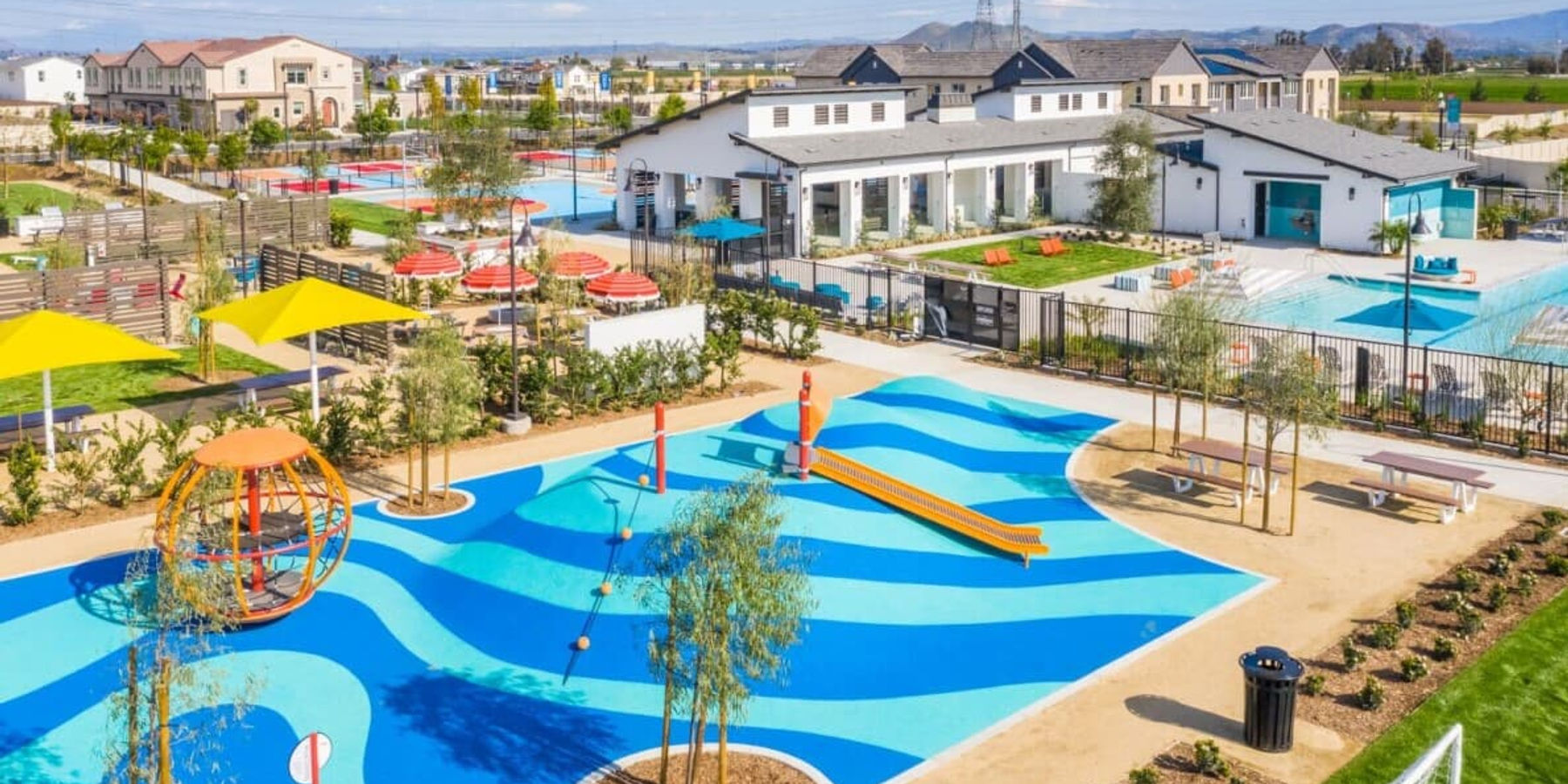
Explore the communities that trust Play Academy to bring their amenities to life — each with its own dedicated team and tailored programming. 40+ communities. 11 states. One standard of care.





Join a nationwide network of communities that put play — and professional amenity management — at the heart of neighborhood life.

Play Academy has grown from a programming provider into a complete community amenity, lifestyle and operational management company — while keeping the local, personal commitment we started with.

We manage wellness ecosystems, youth development systems, aquatic safety operations, facility care and lifestyle programming for communities across the country. What began as classes, camps and pool staffing has become an integrated operating partner for the amenities that define modern community life.
Through it all, one thing hasn't changed: our culture, our standards, our commitment to excellence, and our mission to Train Local. This elevation strengthens who we are — it doesn't replace it.
"We treat every community as if it's the only one we serve — with a local team fully and personally committed to its residents."
Every community gets our full attention and personal commitment — as if it were the only one we serve.
Local teams, local coaches, local relationships. We embed in your community, not hover above it.
Vetted, insured professionals and rigorous standards across programming, aquatics and operations.
We turn amenities into vibrant hubs of health, connection and belonging for residents of every age.
Start with a tailored Community Blueprint, or reach out to talk through what your community needs.

Whether you're a developer planning amenities, a property manager seeking a partner, or a board ready to elevate resident life — we'd love to talk.
Florida · Texas · South Carolina · Colorado · California · Nevada · Utah · Arizona · Maryland · Missouri · Pennsylvania & growing.

Answer a few questions about your community and instantly receive one clear recommendation — the level we'd start at, exactly what we'd run, a sample weekly schedule and an estimated investment. Then book your call with our Founder & CEO right here — no forms to fill out twice.
So your blueprint speaks directly to your role and goals.
The essentials that shape the right plan.
Choose as many as you like — we'll shape the blueprint around them.
This helps us estimate your investment accurately.
Last step — then your blueprint is ready.
Founder & CEO, Play Academy — we'll walk through your blueprint and tailor every detail to your community.
Pick a time below and you're booked — your name, email and community are already filled in, so there's nothing to re-enter.
Your blueprint and details have been prepared for our team. We'll review your community ahead of the call to make the most of your time.
Every community, every member, every dollar — in one place. This page is unlisted and admin-only.
Run your lessons and classes — check clients in, add walk-ins, book lessons, and cancel with automatic notice. This page is unlisted and coach-only.

Welcome, Arden residents! Discover our tennis classes and youth activity camps designed especially for you. Dive into new experiences and make unforgettable memories — right here in your community!
Get excited to smash serves and unleash your passion for tennis on the court!
Tap any program to learn all about it and sign up. Every program is run by experienced, vetted local coaches — for all ages and ability levels.
Tennis, pickleball and more — lessons, clinics and match play for all ages and levels.
Learn more & sign upPrivate lessons, group clinics and match play for every skill level.
Learn more & sign upSeasonal camps packed with sports, games, crafts and new friends.
Learn more & sign upTap a program to learn what it's all about, who it's for, and what to expect.
Tennis and pickleball, one program, endless fun. Whether you're chasing a first rally or a tournament trophy, our racquet sports bring the community to the courts for lessons, clinics and match play led by experienced local coaches who make every session count.
There's nothing like the sound of a clean strike off the sweet spot. Our tennis program turns your community courts into a place where beginners find their footing and seasoned players sharpen their edge — all under coaches who actually know your name. Footwork, strategy, spin, and the friendly rivalry that keeps you coming back.
Splash-filled pool days, playground adventures, team challenges, arts and crafts, and a new friend around every corner. Our camps are the perfect mix of movement, creativity and teamwork — a safe, supervised place where kids stay active, build confidence, and make the memories that make summer, summer.
Members book right here on the site — pick a day, pick a court, pick a time. Book for yourself or anyone in your family, sign up for events, all in one place.
Before your first booking or class, please review and agree below. One time only — then you're set for good.
A confirmation email is on its way — and a text if we have your mobile number.
Sign in to book, or create your account in about a minute.
Sign up right here with your name, email and address — free for residents.
No codes, no waiting period — your account works the moment you create it.
Courts, classes, events and camps — everything at your community in one place.
Reserve a court, join a class or register the kids for camp in a couple of taps.
playmyhoa.com works beautifully on your phone — add it to your home screen like an app.
Get Arden schedules, new classes, seasonal camps and members-only specials sent straight to your inbox — plus the occasional Play Academy update. Free, and it takes ten seconds.
Our team is here Monday–Friday, 8 AM–6 PM EST. We're happy to help you find the right program.

Welcome, EverBe residents! Explore your local recreational and sports programs designed just for you. Dive into new experiences and create unforgettable memories — right here in your community!
Enjoy an hour full of dance and fun while getting a great workout! Free classes · experienced coach · high-energy.
Tap any program to learn all about it and sign up. Every program is run by experienced, vetted local coaches — for all ages and ability levels.
Tap a program to learn what it's all about, who it's for, and what to expect.
It doesn't feel like a workout when it feels like a party. Zumba blends easy-to-follow dance moves with music that won't let you stand still — 60 high-energy minutes of cardio disguised as pure fun. Come sweat, smile, and shake off the day with your neighbors.
Free for residents. Create your account to register for programs, events, and everything Play Academy runs at EverBe — all right here on this site.
By providing your mobile number you agree to receive booking and program texts from Play Academy. Reply STOP anytime, or manage notifications in My account.
No codes, no waiting — you're in as soon as you create your account.
Sign up right here with your name, email and address — free for residents.
No codes, no waiting period — your account works the moment you create it.
Courts, classes, events and camps — everything at your community in one place.
Reserve a court, join a class or register the kids for camp in a couple of taps.
playmyhoa.com works beautifully on your phone — add it to your home screen like an app.
Get EverBe schedules, new classes, seasonal camps and members-only specials sent straight to your inbox — plus the occasional Play Academy update. Free, and it takes ten seconds.
Our team is here Monday–Friday, 8 AM–6 PM EST. We're happy to help you find the right program.

Regency at Avenir is a 55+, active-adult community in Palm Beach Gardens offering exclusive resort-style amenities and a low-maintenance lifestyle.
Tap any program to learn all about it and sign up. Every program is run by experienced, vetted local coaches — for all ages and ability levels.
Tap a program to learn what it's all about, who it's for, and what to expect.
Tennis and pickleball, one program, endless fun. Whether you're chasing a first rally or a tournament trophy, our racquet sports bring the community to the courts for lessons, clinics and match play led by experienced local coaches who make every session count.
This fun-filled, 55+ active-adult community by Toll Brothers offers luxurious homes and spectacular amenities, including an on-site lifestyle director. Regency at Avenir includes 469 single-family homes ranging from 1,800 to 2,800 sq. ft. across 10 single-story floor plans blending modern trends and coastal influences.
9878 Regency Way, Palm Beach Gardens, FL 33412
(561) 999-1877
Learn moreOur team is here Monday–Friday, 8 AM–6 PM EST. We're happy to help you find the right program.

PLAY Academy is excited to bring the fun and energy of local programming to the residents of TrailMark. Join us and discover how you can Train Local with PLAY Academy.
Tap any program to learn all about it and sign up. Every program is run by experienced, vetted local coaches — for all ages and ability levels.
Tap a program to learn what it's all about, who it's for, and what to expect.
Tennis and pickleball, one program, endless fun. Whether you're chasing a first rally or a tournament trophy, our racquet sports bring the community to the courts for lessons, clinics and match play led by experienced local coaches who make every session count.
Splash-filled pool days, playground adventures, team challenges, arts and crafts, and a new friend around every corner. Our camps are the perfect mix of movement, creativity and teamwork — a safe, supervised place where kids stay active, build confidence, and make the memories that make summer, summer.
Free for residents. Create your account to register for programs, events, and everything Play Academy runs at TrailMark — all right here on this site.
By providing your mobile number you agree to receive booking and program texts from Play Academy. Reply STOP anytime, or manage notifications in My account.
No codes, no waiting — you're in as soon as you create your account.
Sign up right here with your name, email and address — free for residents.
No codes, no waiting period — your account works the moment you create it.
Courts, classes, events and camps — everything at your community in one place.
Reserve a court, join a class or register the kids for camp in a couple of taps.
playmyhoa.com works beautifully on your phone — add it to your home screen like an app.
Get TrailMark schedules, new classes, seasonal camps and members-only specials sent straight to your inbox — plus the occasional Play Academy update. Free, and it takes ten seconds.
Our team is here Monday–Friday, 8 AM–6 PM EST. We're happy to help you find the right program.

Our programs offer something for everyone — from high-energy Summer Camps for kids ages 5–12 filled with crafts, games, water play and team challenges, to energizing Pilates classes designed to strengthen, tone and refresh your body.
Whether your child is making memories or you're focusing on wellness, our programs create fun, fitness and community for all ages.
Tap any program to learn all about it and sign up. Every program is run by experienced, vetted local coaches — for all ages and ability levels.
Tap a program to learn what it's all about, who it's for, and what to expect.
Pilates strengthens from the center out — improving posture, flexibility and control with precise, low-impact movement. Our classes are designed to strengthen, tone and refresh, leaving you taller, looser and more connected to your body after every session.
Splash-filled pool days, playground adventures, team challenges, arts and crafts, and a new friend around every corner. Our camps are the perfect mix of movement, creativity and teamwork — a safe, supervised place where kids stay active, build confidence, and make the memories that make summer, summer.
Free for residents. Create your account to register for programs, events, and everything Play Academy runs at Windward at Lakewood Ranch — all right here on this site.
By providing your mobile number you agree to receive booking and program texts from Play Academy. Reply STOP anytime, or manage notifications in My account.
No codes, no waiting — you're in as soon as you create your account.
Sign up right here with your name, email and address — free for residents.
No codes, no waiting period — your account works the moment you create it.
Courts, classes, events and camps — everything at your community in one place.
Reserve a court, join a class or register the kids for camp in a couple of taps.
playmyhoa.com works beautifully on your phone — add it to your home screen like an app.
Get Windward at Lakewood Ranch schedules, new classes, seasonal camps and members-only specials sent straight to your inbox — plus the occasional Play Academy update. Free, and it takes ten seconds.
Our team is here Monday–Friday, 8 AM–6 PM EST. We're happy to help you find the right program.

Welcome, Avenir residents! Explore our tennis and pickleball programs, summer camps, and convenient court reservation options designed just for you. Dive into new experiences and create unforgettable memories — right here in your community!
Come join the fun on the courts at your tennis and pickleball classes!
Tap any program to learn all about it and sign up. Every program is run by experienced, vetted local coaches — for all ages and ability levels.
Tennis, pickleball and more — lessons, clinics and match play for all ages and levels.
Learn more & sign upPrivate lessons, group clinics and match play for every skill level.
Learn more & sign upThe fastest-growing sport — clinics, leagues and open play.
Learn more & sign upSeasonal camps packed with sports, games, crafts and new friends.
Learn more & sign upTap a program to learn what it's all about, who it's for, and what to expect.
Tennis and pickleball, one program, endless fun. Whether you're chasing a first rally or a tournament trophy, our racquet sports bring the community to the courts for lessons, clinics and match play led by experienced local coaches who make every session count.
There's nothing like the sound of a clean strike off the sweet spot. Our tennis program turns your community courts into a place where beginners find their footing and seasoned players sharpen their edge — all under coaches who actually know your name. Footwork, strategy, spin, and the friendly rivalry that keeps you coming back.
The fastest-growing sport in America is right in your backyard. Pickleball is easy to learn, wildly social, and genuinely addictive — five minutes in and you're hooked. Our clinics build real skills (dinks, drives, the third-shot drop) while open play keeps the paddles up and the laughter loud.
Splash-filled pool days, playground adventures, team challenges, arts and crafts, and a new friend around every corner. Our camps are the perfect mix of movement, creativity and teamwork — a safe, supervised place where kids stay active, build confidence, and make the memories that make summer, summer.
Members book right here on the site — pick a day, pick a court, pick a time. Book for yourself or anyone in your family, sign up for events, all in one place.
Before your first booking or class, please review and agree below. One time only — then you're set for good.
A confirmation email is on its way — and a text if we have your mobile number.
Sign in to book, or create your account in about a minute.
 Watch the video
From splash days to team challenges to the friends they'll talk about all year — here's a peek at the energy of a Play Academy camp. This is what your child's summer looks like.
3 weeks
Tuition: $140/week standard (8 AM–2 PM) · $216/week extended (8 AM–5 PM)
Extended day (8:00 AM–5:00 PM) requires a minimum of 15 campers per week to run.
Guides: Parent Packet · Photo Release Form · Pick-Up Authorization Form · Walk-Home Alone Form · FAQs.
Spots fill quickly — secure your child's place for a summer full of fun.
Sign up right here with your name, email and address — free for residents.
No codes, no waiting period — your account works the moment you create it.
Courts, classes, events and camps — everything at your community in one place.
Reserve a court, join a class or register the kids for camp in a couple of taps.
playmyhoa.com works beautifully on your phone — add it to your home screen like an app.
Get Avenir schedules, new classes, seasonal camps and members-only specials sent straight to your inbox — plus the occasional Play Academy update. Free, and it takes ten seconds.
Our team is here Monday–Friday, 8 AM–6 PM EST. We're happy to help you find the right program.

Welcome to our Youth Camps! Kids ages 5–12 are invited to join us for an exciting summer of adventure — creative crafts, team challenges, outdoor games, water play and so much more.
Tap any program to learn all about it and sign up. Every program is run by experienced, vetted local coaches — for all ages and ability levels.
Tap a program to learn what it's all about, who it's for, and what to expect.
Splash-filled pool days, playground adventures, team challenges, arts and crafts, and a new friend around every corner. Our camps are the perfect mix of movement, creativity and teamwork — a safe, supervised place where kids stay active, build confidence, and make the memories that make summer, summer.
Watch the video
From splash days to team challenges to the friends they'll talk about all year — here's a peek at the energy of a Play Academy camp. This is what your child's summer looks like.
2 weeks
Tuition: $162/week
Guides: Parent Packet · Photo Release Form · Pick-Up Authorization Form · Walk-Home Alone Form · FAQs.
Spots fill quickly — secure your child's place for a summer full of fun.
Our team is here Monday–Friday, 8 AM–6 PM EST. We're happy to help you find the right program.

At Southwood, our partnership brings tennis and, soon, pickleball to your community. Skilled instructors await players of all levels — scroll down to see all we offer!
Come join the fun on the courts!
Tap any program to learn all about it and sign up. Every program is run by experienced, vetted local coaches — for all ages and ability levels.
Tap a program to learn what it's all about, who it's for, and what to expect.
Tennis and pickleball, one program, endless fun. Whether you're chasing a first rally or a tournament trophy, our racquet sports bring the community to the courts for lessons, clinics and match play led by experienced local coaches who make every session count.
There's nothing like the sound of a clean strike off the sweet spot. Our tennis program turns your community courts into a place where beginners find their footing and seasoned players sharpen their edge — all under coaches who actually know your name. Footwork, strategy, spin, and the friendly rivalry that keeps you coming back.
Free for residents. Create your account to register for programs, events, and everything Play Academy runs at Southwood — all right here on this site.
By providing your mobile number you agree to receive booking and program texts from Play Academy. Reply STOP anytime, or manage notifications in My account.
No codes, no waiting — you're in as soon as you create your account.
Sign up right here with your name, email and address — free for residents.
No codes, no waiting period — your account works the moment you create it.
Courts, classes, events and camps — everything at your community in one place.
Reserve a court, join a class or register the kids for camp in a couple of taps.
playmyhoa.com works beautifully on your phone — add it to your home screen like an app.
Get Southwood schedules, new classes, seasonal camps and members-only specials sent straight to your inbox — plus the occasional Play Academy update. Free, and it takes ten seconds.
Our team is here Monday–Friday, 8 AM–6 PM EST. We're happy to help you find the right program.

We're thrilled to partner with Tributary! Join us in the community for amazing new opportunities and activities. Scroll below to discover everything we'll be offering and to sign up!
Tap any program to learn all about it and sign up. Every program is run by experienced, vetted local coaches — for all ages and ability levels.
Tap a program to learn what it's all about, who it's for, and what to expect.
Tennis and pickleball, one program, endless fun. Whether you're chasing a first rally or a tournament trophy, our racquet sports bring the community to the courts for lessons, clinics and match play led by experienced local coaches who make every session count.
Splash-filled pool days, playground adventures, team challenges, arts and crafts, and a new friend around every corner. Our camps are the perfect mix of movement, creativity and teamwork — a safe, supervised place where kids stay active, build confidence, and make the memories that make summer, summer.
Free for residents. Create your account to register for programs, events, and everything Play Academy runs at Tributary — all right here on this site.
By providing your mobile number you agree to receive booking and program texts from Play Academy. Reply STOP anytime, or manage notifications in My account.
No codes, no waiting — you're in as soon as you create your account.
New programs are on the way to Tributary. Sign up and you'll be the very first to hear when registration opens — it takes less than two minutes, and your info is never shared or sold.
Sign up right here with your name, email and address — free for residents.
No codes, no waiting period — your account works the moment you create it.
Courts, classes, events and camps — everything at your community in one place.
Reserve a court, join a class or register the kids for camp in a couple of taps.
playmyhoa.com works beautifully on your phone — add it to your home screen like an app.
Our team is here Monday–Friday, 8 AM–6 PM EST. We're happy to help you find the right program.

Feel the excitement in Del Webb at Viera! Embrace a vibrant, active lifestyle and enjoy everything we have to offer.
Serve, smash, and have a blast! Join us for pickleball lessons designed to elevate your game and maximize your fun.
Tap any program to learn all about it and sign up. Every program is run by experienced, vetted local coaches — for all ages and ability levels.
Tap a program to learn what it's all about, who it's for, and what to expect.
Tennis and pickleball, one program, endless fun. Whether you're chasing a first rally or a tournament trophy, our racquet sports bring the community to the courts for lessons, clinics and match play led by experienced local coaches who make every session count.
The fastest-growing sport in America is right in your backyard. Pickleball is easy to learn, wildly social, and genuinely addictive — five minutes in and you're hooked. Our clinics build real skills (dinks, drives, the third-shot drop) while open play keeps the paddles up and the laughter loud.
Champion's Spotlight: congratulations to our pickleball pro Angelina Edel and her partner Sabrina Korpi on their victory at the Emerge Pictoria Women's 4.5 (Age 8–39) event! Register for clinics with Angelina to take your game to the next level.
Pickleball on Fridays — click the schedule for weekly times.
Free for residents. Create your account to register for programs, events, and everything Play Academy runs at Del Webb at Viera — all right here on this site.
By providing your mobile number you agree to receive booking and program texts from Play Academy. Reply STOP anytime, or manage notifications in My account.
No codes, no waiting — you're in as soon as you create your account.
Sign up right here with your name, email and address — free for residents.
No codes, no waiting period — your account works the moment you create it.
Courts, classes, events and camps — everything at your community in one place.
Reserve a court, join a class or register the kids for camp in a couple of taps.
playmyhoa.com works beautifully on your phone — add it to your home screen like an app.
Get Del Webb at Viera schedules, new classes, seasonal camps and members-only specials sent straight to your inbox — plus the occasional Play Academy update. Free, and it takes ten seconds.
Our team is here Monday–Friday, 8 AM–6 PM EST. We're happy to help you find the right program.

We are excited to offer engaging activities at Lorraine Lakes in Lakewood Ranch, Florida. Join us for tennis lessons and pickleball — there's always something new to try and a great way to stay active!
Paddles up! It's time to play, laugh, and make some racket. Warning: our pickleball classes may cause extreme fun!
Tap any program to learn all about it and sign up. Every program is run by experienced, vetted local coaches — for all ages and ability levels.
Tennis, pickleball and more — lessons, clinics and match play for all ages and levels.
Learn more & sign upPrivate lessons, group clinics and match play for every skill level.
Learn more & sign upThe fastest-growing sport — clinics, leagues and open play.
Learn more & sign upTap a program to learn what it's all about, who it's for, and what to expect.
Tennis and pickleball, one program, endless fun. Whether you're chasing a first rally or a tournament trophy, our racquet sports bring the community to the courts for lessons, clinics and match play led by experienced local coaches who make every session count.
There's nothing like the sound of a clean strike off the sweet spot. Our tennis program turns your community courts into a place where beginners find their footing and seasoned players sharpen their edge — all under coaches who actually know your name. Footwork, strategy, spin, and the friendly rivalry that keeps you coming back.
The fastest-growing sport in America is right in your backyard. Pickleball is easy to learn, wildly social, and genuinely addictive — five minutes in and you're hooked. Our clinics build real skills (dinks, drives, the third-shot drop) while open play keeps the paddles up and the laughter loud.
Free for residents. Create your account to register for programs, events, and everything Play Academy runs at Lorraine Lakes — all right here on this site.
By providing your mobile number you agree to receive booking and program texts from Play Academy. Reply STOP anytime, or manage notifications in My account.
No codes, no waiting — you're in as soon as you create your account.
Sign up right here with your name, email and address — free for residents.
No codes, no waiting period — your account works the moment you create it.
Courts, classes, events and camps — everything at your community in one place.
Reserve a court, join a class or register the kids for camp in a couple of taps.
playmyhoa.com works beautifully on your phone — add it to your home screen like an app.
Get Lorraine Lakes schedules, new classes, seasonal camps and members-only specials sent straight to your inbox — plus the occasional Play Academy update. Free, and it takes ten seconds.
Our team is here Monday–Friday, 8 AM–6 PM EST. We're happy to help you find the right program.

Welcome, Timber Creek residents! Explore our diverse classes tailored just for you. Dive into new experiences — right here in your community!
Come join the fun on the courts — plus group fitness classes for every level!
Tap any program to learn all about it and sign up. Every program is run by experienced, vetted local coaches — for all ages and ability levels.
Tennis, pickleball and more — lessons, clinics and match play for all ages and levels.
Learn more & sign upPrivate lessons, group clinics and match play for every skill level.
Learn more & sign upThe fastest-growing sport — clinics, leagues and open play.
Learn more & sign upProfessionally coached sessions for all ages and levels.
Learn more & sign upAll formats, from gentle flow to power yoga.
Learn more & sign upTap a program to learn what it's all about, who it's for, and what to expect.
Tennis and pickleball, one program, endless fun. Whether you're chasing a first rally or a tournament trophy, our racquet sports bring the community to the courts for lessons, clinics and match play led by experienced local coaches who make every session count.
There's nothing like the sound of a clean strike off the sweet spot. Our tennis program turns your community courts into a place where beginners find their footing and seasoned players sharpen their edge — all under coaches who actually know your name. Footwork, strategy, spin, and the friendly rivalry that keeps you coming back.
The fastest-growing sport in America is right in your backyard. Pickleball is easy to learn, wildly social, and genuinely addictive — five minutes in and you're hooked. Our clinics build real skills (dinks, drives, the third-shot drop) while open play keeps the paddles up and the laughter loud.
High-energy, coach-led group classes that make consistency feel easy. From strength circuits to conditioning and cardio, you'll push a little harder because the whole room is pushing with you — right in your own community.
Roll out your mat for a rejuvenating flow that cultivates balance, flexibility and inner peace. Through mindful poses and breathwork, our sessions leave you stronger and clearer — a welcoming reset for beginners and seasoned practitioners alike, right in the comfort of your community.
Free for residents. Create your account to register for programs, events, and everything Play Academy runs at Timber Creek — all right here on this site.
By providing your mobile number you agree to receive booking and program texts from Play Academy. Reply STOP anytime, or manage notifications in My account.
No codes, no waiting — you're in as soon as you create your account.
Sign up right here with your name, email and address — free for residents.
No codes, no waiting period — your account works the moment you create it.
Courts, classes, events and camps — everything at your community in one place.
Reserve a court, join a class or register the kids for camp in a couple of taps.
playmyhoa.com works beautifully on your phone — add it to your home screen like an app.
Get Timber Creek schedules, new classes, seasonal camps and members-only specials sent straight to your inbox — plus the occasional Play Academy update. Free, and it takes ten seconds.
Our team is here Monday–Friday, 8 AM–6 PM EST. We're happy to help you find the right program.

Experience Play Academy at Waverly at Lake Eola! Our Yoga program offers residents a refreshing blend of movement, mindfulness and community — energizing sessions for all levels, plus exclusive resident perks and a welcoming atmosphere right at home.
Tap any program to learn all about it and sign up. Every program is run by experienced, vetted local coaches — for all ages and ability levels.
Tap a program to learn what it's all about, who it's for, and what to expect.
Roll out your mat for a rejuvenating flow that cultivates balance, flexibility and inner peace. Through mindful poses and breathwork, our sessions leave you stronger and clearer — a welcoming reset for beginners and seasoned practitioners alike, right in the comfort of your community.
Guided mindfulness and meditation to quiet the noise and restore your focus. A gentle, welcoming practice that leaves you calmer, clearer and more present — no experience needed.
Our Yoga program brings movement, mindfulness and community to Waverly at Lake Eola with sessions designed for all levels — plus exclusive resident perks.
Our team is here Monday–Friday, 8 AM–6 PM EST. We're happy to help you find the right program.
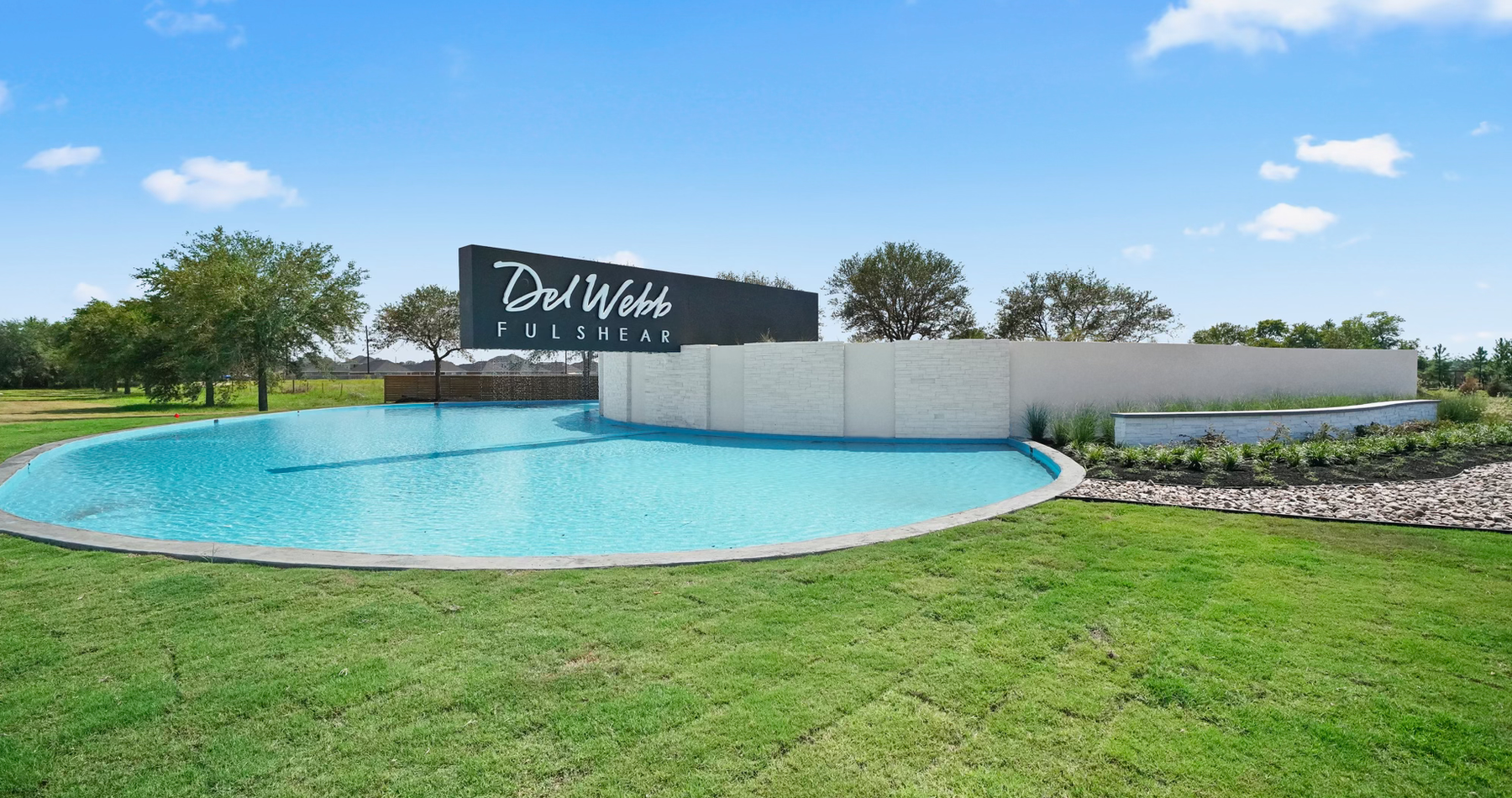
Experience the energy at Del Webb at Fulshear in Fulshear, Texas! Look forward to fitness classes and yoga. Embrace an active lifestyle and make the most of our unique offerings — sign up today!
All levels · experienced coaches · connecting residents.
Tap any program to learn all about it and sign up. Every program is run by experienced, vetted local coaches — for all ages and ability levels.
Tap a program to learn what it's all about, who it's for, and what to expect.
Our group fitness classes bring the energy and the accountability. Expert trainers guide dynamic workouts that challenge your body and lift your fitness — strength, conditioning and heart-pumping intervals — inside a supportive community that keeps you motivated and coming back.
Roll out your mat for a rejuvenating flow that cultivates balance, flexibility and inner peace. Through mindful poses and breathwork, our sessions leave you stronger and clearer — a welcoming reset for beginners and seasoned practitioners alike, right in the comfort of your community.
Free for residents. Create your account to register for programs, events, and everything Play Academy runs at Del Webb at Fulshear — all right here on this site.
By providing your mobile number you agree to receive booking and program texts from Play Academy. Reply STOP anytime, or manage notifications in My account.
No codes, no waiting — you're in as soon as you create your account.
Sign up right here with your name, email and address — free for residents.
No codes, no waiting period — your account works the moment you create it.
Courts, classes, events and camps — everything at your community in one place.
Reserve a court, join a class or register the kids for camp in a couple of taps.
playmyhoa.com works beautifully on your phone — add it to your home screen like an app.
Get Del Webb at Fulshear schedules, new classes, seasonal camps and members-only specials sent straight to your inbox — plus the occasional Play Academy update. Free, and it takes ten seconds.
Our team is here Monday–Friday, 8 AM–6 PM EST. We're happy to help you find the right program.

Play Academy's adult fitness classes are officially live at Painted Tree, featuring refreshing Water Aerobics and high-energy Zumba. A fun way to stay active, meet neighbors, and enjoy fitness right here in your community!
Tap any program to learn all about it and sign up. Every program is run by experienced, vetted local coaches — for all ages and ability levels.
Tap a program to learn what it's all about, who it's for, and what to expect.
A 60-minute, low-impact water workout that's tough on your fitness and gentle on your joints. Cardio, strength and flexibility come together in the pool with upbeat energy and easy-to-follow moves — perfect for building endurance, relieving stress, and staying active all season.
It doesn't feel like a workout when it feels like a party. Zumba blends easy-to-follow dance moves with music that won't let you stand still — 60 high-energy minutes of cardio disguised as pure fun. Come sweat, smile, and shake off the day with your neighbors.
Free for residents. Create your account to register for programs, events, and everything Play Academy runs at Painted Tree — all right here on this site.
By providing your mobile number you agree to receive booking and program texts from Play Academy. Reply STOP anytime, or manage notifications in My account.
No codes, no waiting — you're in as soon as you create your account.
Classes are just $3 each, or grab a $10 season pass for unlimited access.
A 60-minute, low-impact water workout for all fitness levels, combining cardio, strength and flexibility in a fun, refreshing environment. Great for endurance, stress relief and staying active while being gentle on the joints.
A 60-minute, high-energy dance workout for all fitness levels — easy-to-follow moves and upbeat music that make it feel like a party. Boost your cardio, relieve stress, and connect with your community.
Existing Zumba season passes are valid through the summer. Beginning September 1, a new season pass is required for continuing classes.
Sign up right here with your name, email and address — free for residents.
No codes, no waiting period — your account works the moment you create it.
Courts, classes, events and camps — everything at your community in one place.
Reserve a court, join a class or register the kids for camp in a couple of taps.
playmyhoa.com works beautifully on your phone — add it to your home screen like an app.
Get Painted Tree schedules, new classes, seasonal camps and members-only specials sent straight to your inbox — plus the occasional Play Academy update. Free, and it takes ten seconds.
Our team is here Monday–Friday, 8 AM–6 PM EST. We're happy to help you find the right program.
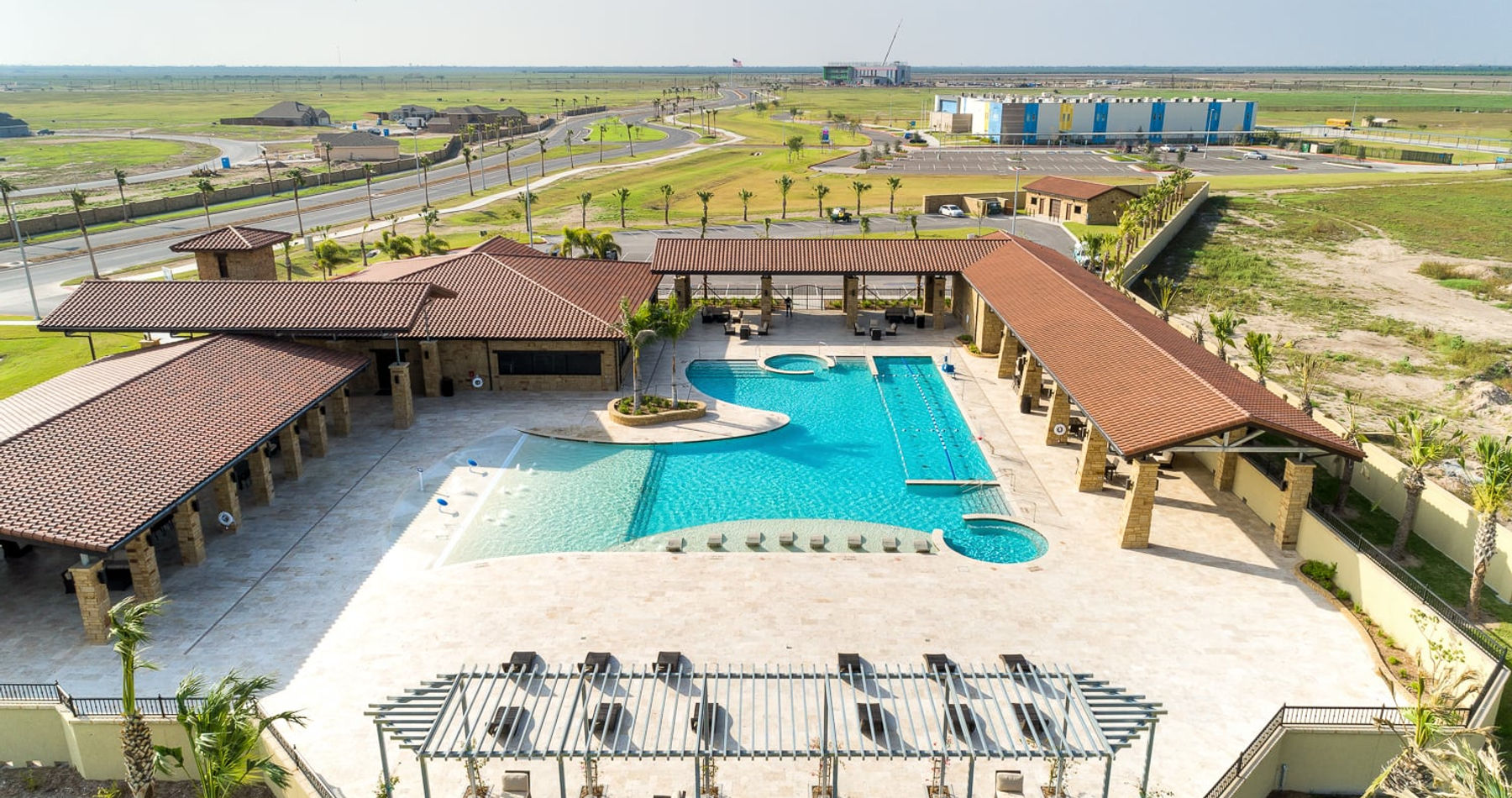
Tres Lagos families — get ready! Play Academy brings high-energy summer camps, private swim lessons and art classes to your McKinney community — fun, movement and creativity all season long. Private swim runs $45 (30 min) or $85 (60 min); art classes are $25 per class (adults Wednesdays, youth Fridays).
Summer camp, private swim lessons and art classes — all in your community.
Tap any program to learn all about it and sign up. Every program is run by experienced, vetted local coaches — for all ages and ability levels.
Tap a program to learn what it's all about, who it's for, and what to expect.
Splash-filled pool days, playground adventures, team challenges, arts and crafts, and a new friend around every corner. Our camps are the perfect mix of movement, creativity and teamwork — a safe, supervised place where kids stay active, build confidence, and make the memories that make summer, summer.
Water safety and swim skills taught with patience and encouragement. From first floats to full strokes, our lessons build the confidence and technique that make the pool a place of joy — not worry.
Free for residents. Create your account to register for programs, events, and everything Play Academy runs at Tres Lagos — all right here on this site.
By providing your mobile number you agree to receive booking and program texts from Play Academy. Reply STOP anytime, or manage notifications in My account.
No codes, no waiting — you're in as soon as you create your account.
Watch the video
From splash days to team challenges to the friends they'll talk about all year — here's a peek at the energy of a Play Academy camp. This is what your child's summer looks like.
2 weeks
Tuition: $150/week
Guides: Parent Packet · Photo Release Form · Pick-Up Authorization Form · Walk-Home Alone Form · FAQs.
Spots fill quickly — secure your child's place for a summer full of fun.
Sign up right here with your name, email and address — free for residents.
No codes, no waiting period — your account works the moment you create it.
Courts, classes, events and camps — everything at your community in one place.
Reserve a court, join a class or register the kids for camp in a couple of taps.
playmyhoa.com works beautifully on your phone — add it to your home screen like an app.
Get Tres Lagos schedules, new classes, seasonal camps and members-only specials sent straight to your inbox — plus the occasional Play Academy update. Free, and it takes ten seconds.
Our team is here Monday–Friday, 8 AM–6 PM EST. We're happy to help you find the right program.

Welcome to Reunion in Rhome, Texas! We're excited to bring fun, engaging activities to kids and families — from creative crafts and outdoor games to sports and social events. Interested in future programming? Sign up to learn more and be the first to hear when activities kick off!
Tap any program to learn all about it and sign up. Every program is run by experienced, vetted local coaches — for all ages and ability levels.
Tap a program to learn what it's all about, who it's for, and what to expect.
After-school and enrichment programming that keeps kids active, engaged and building skills — on the field, on the court, and in life. Safe, structured and genuinely fun.
New programs are on the way to Reunion. Sign up and you'll be the very first to hear when registration opens — it takes less than two minutes, and your info is never shared or sold.
Our team is here Monday–Friday, 8 AM–6 PM EST. We're happy to help you find the right program.

Welcome to The Groves! Exciting programs are coming soon. Be the first to know when registration opens — sign up to stay in the loop and be on the lookout for more details!
Tap any program to learn all about it and sign up. Every program is run by experienced, vetted local coaches — for all ages and ability levels.
Tennis, pickleball and more — lessons, clinics and match play for all ages and levels.
Learn more & sign upSeasonal camps packed with sports, games, crafts and new friends.
Learn more & sign upYoga, mindfulness and wellness classes for balanced living.
Learn more & sign upTap a program to learn what it's all about, who it's for, and what to expect.
Tennis and pickleball, one program, endless fun. Whether you're chasing a first rally or a tournament trophy, our racquet sports bring the community to the courts for lessons, clinics and match play led by experienced local coaches who make every session count.
Splash-filled pool days, playground adventures, team challenges, arts and crafts, and a new friend around every corner. Our camps are the perfect mix of movement, creativity and teamwork — a safe, supervised place where kids stay active, build confidence, and make the memories that make summer, summer.
New programs are on the way to The Groves. Sign up and you'll be the very first to hear when registration opens — it takes less than two minutes, and your info is never shared or sold.
Our team is here Monday–Friday, 8 AM–6 PM EST. We're happy to help you find the right program.

Welcome to Solterra in Mesquite! Play Academy is bringing vibrant, family-friendly programming to your community — including summer camps, water aerobics, and yoga and fitness classes for residents of all ages.
Tap any program to learn all about it and sign up. Every program is run by experienced, vetted local coaches — for all ages and ability levels.
Seasonal camps packed with sports, games, crafts and new friends.
Learn more & sign upProfessionally coached sessions for all ages and levels.
Learn more & sign upAll formats, from gentle flow to power yoga.
Learn more & sign upGroup fitness, strength and conditioning for every level.
Learn more & sign upYouth soccer skills, drills and friendly matches.
Learn more & sign upTap a program to learn what it's all about, who it's for, and what to expect.
Splash-filled pool days, playground adventures, team challenges, arts and crafts, and a new friend around every corner. Our camps are the perfect mix of movement, creativity and teamwork — a safe, supervised place where kids stay active, build confidence, and make the memories that make summer, summer.
A 60-minute, low-impact water workout that's tough on your fitness and gentle on your joints. Cardio, strength and flexibility come together in the pool with upbeat energy and easy-to-follow moves — perfect for building endurance, relieving stress, and staying active all season.
Roll out your mat for a rejuvenating flow that cultivates balance, flexibility and inner peace. Through mindful poses and breathwork, our sessions leave you stronger and clearer — a welcoming reset for beginners and seasoned practitioners alike, right in the comfort of your community.
Our group fitness classes bring the energy and the accountability. Expert trainers guide dynamic workouts that challenge your body and lift your fitness — strength, conditioning and heart-pumping intervals — inside a supportive community that keeps you motivated and coming back.
Kids build confidence on the field while learning real fundamentals through fun drills and games. Fast-paced, encouraging and endlessly fun — the beautiful game, right in your community.
Watch the video
From splash days to team challenges to the friends they'll talk about all year — here's a peek at the energy of a Play Academy camp. This is what your child's summer looks like.
1 week
Guides: Parent Packet · Photo Release Form · Pick-Up Authorization Form · Walk-Home Alone Form · FAQs.
Spots fill quickly — secure your child's place for a summer full of fun.
New programs are on the way to Solterra. Sign up and you'll be the very first to hear when registration opens — it takes less than two minutes, and your info is never shared or sold.
Our team is here Monday–Friday, 8 AM–6 PM EST. We're happy to help you find the right program.
Welcome, ArrowBrooke residents! Something exciting is coming to your neighborhood — water aerobics, yoga and Zumba, taught by experienced local coaches, right at your own amenity center. Get ready to make a splash, find your flow, and dance it out with your neighbors.
752 ArrowBrooke Ave. · Aubrey, TX 76227
Water aerobics, yoga and Zumba designed especially for ArrowBrooke are on the way. Membership is free — join today and you'll be the first to know the moment sign-ups open.
Free for residents. Create your account to register for programs, events, and everything Play Academy runs at ArrowBrooke — all right here on this site.
By providing your mobile number you agree to receive booking and program texts from Play Academy. Reply STOP anytime, or manage notifications in My account.
No codes, no waiting — you're in as soon as you create your account.
Sign up right here with your name, email and address — free for residents.
No codes, no waiting period — your account works the moment you create it.
Courts, classes, events and camps — everything at your community in one place.
Reserve a court, join a class or register the kids for camp in a couple of taps.
playmyhoa.com works beautifully on your phone — add it to your home screen like an app.
Get ArrowBrooke schedules, new classes, seasonal camps and members-only specials sent straight to your inbox — plus the occasional Play Academy update. Free, and it takes ten seconds.
Our team is here Monday–Friday, 8 AM–6 PM EST. We're happy to help you find the right program.

We are excited to offer a variety of sports and wellness activities to the Glen at Bogey Hills community! Discover how you can Train Local with PLAY Academy — register for your free membership to stay up to date.
Tap any program to learn all about it and sign up. Every program is run by experienced, vetted local coaches — for all ages and ability levels.
Tap a program to learn what it's all about, who it's for, and what to expect.
One-on-one coaching built entirely around you — your goals, your body, your schedule. Your trainer designs every session for maximum progress and keeps you accountable, whether you're starting fresh or leveling up.
Roll out your mat for a rejuvenating flow that cultivates balance, flexibility and inner peace. Through mindful poses and breathwork, our sessions leave you stronger and clearer — a welcoming reset for beginners and seasoned practitioners alike, right in the comfort of your community.
Free for residents. Create your account to register for programs, events, and everything Play Academy runs at Glen at Bogey Hills — all right here on this site.
By providing your mobile number you agree to receive booking and program texts from Play Academy. Reply STOP anytime, or manage notifications in My account.
No codes, no waiting — you're in as soon as you create your account.
New programs are on the way to Glen at Bogey Hills. Sign up and you'll be the very first to hear when registration opens — it takes less than two minutes, and your info is never shared or sold.
Sign up right here with your name, email and address — free for residents.
No codes, no waiting period — your account works the moment you create it.
Courts, classes, events and camps — everything at your community in one place.
Reserve a court, join a class or register the kids for camp in a couple of taps.
playmyhoa.com works beautifully on your phone — add it to your home screen like an app.
Our team is here Monday–Friday, 8 AM–6 PM EST. We're happy to help you find the right program.

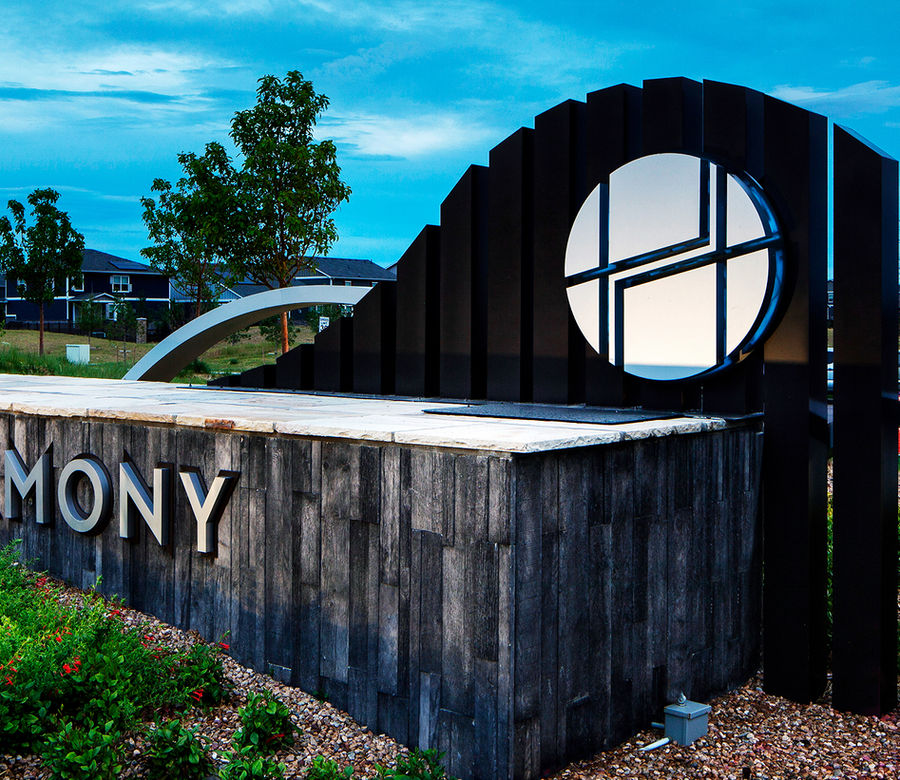
Experience the energy at Harmony Master in Aurora, Colorado! Join us now and look forward to water sports coming soon. Embrace an active lifestyle and make the most of our unique offerings.
Tap any program to learn all about it and sign up. Every program is run by experienced, vetted local coaches — for all ages and ability levels.
Tap a program to learn what it's all about, who it's for, and what to expect.
From swim lessons to aqua fitness, our aquatics programming keeps residents safe, strong and smiling. Professionally staffed and thoughtfully run, the pool becomes the heart of community life all season long.
Free for residents. Create your account to register for programs, events, and everything Play Academy runs at Harmony Master — all right here on this site.
By providing your mobile number you agree to receive booking and program texts from Play Academy. Reply STOP anytime, or manage notifications in My account.
No codes, no waiting — you're in as soon as you create your account.
New programs are on the way to Harmony Master. Sign up and you'll be the very first to hear when registration opens — it takes less than two minutes, and your info is never shared or sold.
Sign up right here with your name, email and address — free for residents.
No codes, no waiting period — your account works the moment you create it.
Courts, classes, events and camps — everything at your community in one place.
Reserve a court, join a class or register the kids for camp in a couple of taps.
playmyhoa.com works beautifully on your phone — add it to your home screen like an app.
Our team is here Monday–Friday, 8 AM–6 PM EST. We're happy to help you find the right program.

PLAY Academy is excited to offer a variety of sports and wellness activities to the residents of Union Heights Apartments. Register for your free membership to stay up to date and get a head start on class signups!
Tap any program to learn all about it and sign up. Every program is run by experienced, vetted local coaches — for all ages and ability levels.
Tap a program to learn what it's all about, who it's for, and what to expect.
Roll out your mat for a rejuvenating flow that cultivates balance, flexibility and inner peace. Through mindful poses and breathwork, our sessions leave you stronger and clearer — a welcoming reset for beginners and seasoned practitioners alike, right in the comfort of your community.
Free for residents. Create your account to register for programs, events, and everything Play Academy runs at Union Heights — all right here on this site.
By providing your mobile number you agree to receive booking and program texts from Play Academy. Reply STOP anytime, or manage notifications in My account.
No codes, no waiting — you're in as soon as you create your account.
New programs are on the way to Union Heights. Sign up and you'll be the very first to hear when registration opens — it takes less than two minutes, and your info is never shared or sold.
Sign up right here with your name, email and address — free for residents.
No codes, no waiting period — your account works the moment you create it.
Courts, classes, events and camps — everything at your community in one place.
Reserve a court, join a class or register the kids for camp in a couple of taps.
playmyhoa.com works beautifully on your phone — add it to your home screen like an app.
Our team is here Monday–Friday, 8 AM–6 PM EST. We're happy to help you find the right program.

Discover vibrant living at Nexton in Summerville, SC! Enjoy top-notch amenities and join us for tennis, pickleball, and exciting summer youth camps. Elevate your lifestyle with our exclusive activities.
Tap any program to learn all about it and sign up. Every program is run by experienced, vetted local coaches — for all ages and ability levels.
Tennis, pickleball and more — lessons, clinics and match play for all ages and levels.
Learn more & sign upPrivate lessons, group clinics and match play for every skill level.
Learn more & sign upThe fastest-growing sport — clinics, leagues and open play.
Learn more & sign upSeasonal camps packed with sports, games, crafts and new friends.
Learn more & sign upTap a program to learn what it's all about, who it's for, and what to expect.
Tennis and pickleball, one program, endless fun. Whether you're chasing a first rally or a tournament trophy, our racquet sports bring the community to the courts for lessons, clinics and match play led by experienced local coaches who make every session count.
There's nothing like the sound of a clean strike off the sweet spot. Our tennis program turns your community courts into a place where beginners find their footing and seasoned players sharpen their edge — all under coaches who actually know your name. Footwork, strategy, spin, and the friendly rivalry that keeps you coming back.
The fastest-growing sport in America is right in your backyard. Pickleball is easy to learn, wildly social, and genuinely addictive — five minutes in and you're hooked. Our clinics build real skills (dinks, drives, the third-shot drop) while open play keeps the paddles up and the laughter loud.
Splash-filled pool days, playground adventures, team challenges, arts and crafts, and a new friend around every corner. Our camps are the perfect mix of movement, creativity and teamwork — a safe, supervised place where kids stay active, build confidence, and make the memories that make summer, summer.
Free for residents. Create your account to register for programs, events, and everything Play Academy runs at Nexton — all right here on this site.
By providing your mobile number you agree to receive booking and program texts from Play Academy. Reply STOP anytime, or manage notifications in My account.
No codes, no waiting — you're in as soon as you create your account.
Watch the video
From splash days to team challenges to the friends they'll talk about all year — here's a peek at the energy of a Play Academy camp. This is what your child's summer looks like.
3 weeks
Tuition: $150/week
Camp HQ + drop-off/pick-up: The Greeting House, 106 Greeting House Rd, Summerville, SC 29486.
Guides: Parent Packet · Photo Release Form · Pick-Up Authorization Form · Walk-Home Alone Form · FAQs.
Spots fill quickly — secure your child's place for a summer full of fun.
Sign up right here with your name, email and address — free for residents.
No codes, no waiting period — your account works the moment you create it.
Courts, classes, events and camps — everything at your community in one place.
Reserve a court, join a class or register the kids for camp in a couple of taps.
playmyhoa.com works beautifully on your phone — add it to your home screen like an app.
Get Nexton schedules, new classes, seasonal camps and members-only specials sent straight to your inbox — plus the occasional Play Academy update. Free, and it takes ten seconds.
Our team is here Monday–Friday, 8 AM–6 PM EST. We're happy to help you find the right program.
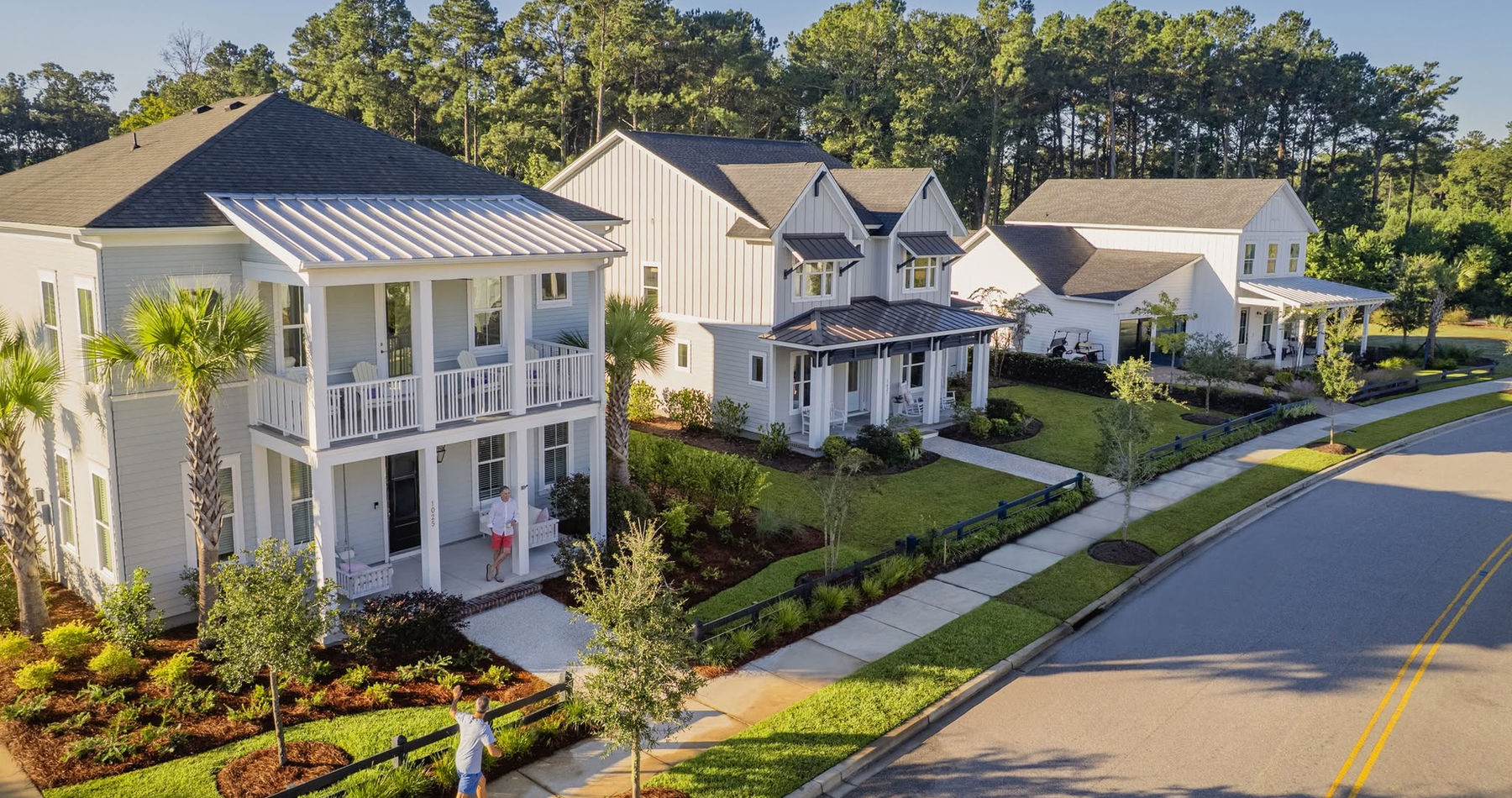
Welcome, Point Hope residents — court reservations are officially LIVE, right here! Reserve tennis and pickleball courts online in seconds, book private lessons in tennis, pickleball, and swimming with your community's pros, and manage everything from one account. And don't miss DAILY OPEN PLAY on the pickleball courts — 9–11 AM and 5–7 PM, every day. No reservation needed: come down, jump in, and rotate with your neighbors!
Build confidence, sharpen your skills, and have fun with personalized private lessons in swimming, tennis and pickleball!
Court reservations, daily open play, tennis, pickleball and swim lessons designed especially for Point Hope Charleston are on the way. Reserve courts above anytime — and you'll be the first to know the moment program sign-ups open.
Daily Open Play — all pickleball courts, 9–11 AM & 5–7 PM. No reservation needed: come down, rotate in, and meet your neighbors. Everyone welcome, every level!
Outside open play, courts are open 7:00 AM – 9:00 PM daily. Reserve up to 7 days ahead (up to 2 hours per day, 5 reservations per week per member). Book for yourself or anyone in your family — and cancel anytime right from your account.
Members book right here on the site — pick a day, pick a court, pick a time. Book for yourself or anyone in your family, sign up for events, all in one place.
Before your first booking or class, please review and agree below. One time only — then you're set for good.
A confirmation email is on its way — and a text if we have your mobile number.
Sign in to book, or create your account in about a minute.
Sign up right here with your name, email and address — free for residents.
No codes, no waiting period — your account works the moment you create it.
Courts, classes, events and camps — everything at your community in one place.
Reserve a court, join a class or register the kids for camp in a couple of taps.
playmyhoa.com works beautifully on your phone — add it to your home screen like an app.
Get Point Hope Charleston schedules, new classes, seasonal camps and members-only specials sent straight to your inbox — plus the occasional Play Academy update. Free, and it takes ten seconds.
Our team is here Monday–Friday, 8 AM–6 PM EST. We're happy to help you find the right program.

Welcome, Brookfield Ontario Ranch residents! We're excited to bring you energetic activities that connect you with your neighbors and community in Ontario, CA. Get ready to train local and have fun doing it!
Come and join the fun in your own backyard!
Tap any program to learn all about it and sign up. Every program is run by experienced, vetted local coaches — for all ages and ability levels.
Tap a program to learn what it's all about, who it's for, and what to expect.
A 60-minute, low-impact water workout that's tough on your fitness and gentle on your joints. Cardio, strength and flexibility come together in the pool with upbeat energy and easy-to-follow moves — perfect for building endurance, relieving stress, and staying active all season.
Free for residents. Create your account to register for programs, events, and everything Play Academy runs at Brookfield Ontario Ranch — all right here on this site.
By providing your mobile number you agree to receive booking and program texts from Play Academy. Reply STOP anytime, or manage notifications in My account.
No codes, no waiting — you're in as soon as you create your account.
Sign up right here with your name, email and address — free for residents.
No codes, no waiting period — your account works the moment you create it.
Courts, classes, events and camps — everything at your community in one place.
Reserve a court, join a class or register the kids for camp in a couple of taps.
playmyhoa.com works beautifully on your phone — add it to your home screen like an app.
Get Brookfield Ontario Ranch schedules, new classes, seasonal camps and members-only specials sent straight to your inbox — plus the occasional Play Academy update. Free, and it takes ten seconds.
Our team is here Monday–Friday, 8 AM–6 PM EST. We're happy to help you find the right program.

Welcome, Cadence residents! Discover our variety of pickleball classes and youth programs designed just for you. Jump into a new experience — right here in your community!
All levels · experienced coaches · connecting residents.
Tap any program to learn all about it and sign up. Every program is run by experienced, vetted local coaches — for all ages and ability levels.
Tap a program to learn what it's all about, who it's for, and what to expect.
The fastest-growing sport in America is right in your backyard. Pickleball is easy to learn, wildly social, and genuinely addictive — five minutes in and you're hooked. Our clinics build real skills (dinks, drives, the third-shot drop) while open play keeps the paddles up and the laughter loud.
After-school and enrichment programming that keeps kids active, engaged and building skills — on the field, on the court, and in life. Safe, structured and genuinely fun.
Free for residents. Create your account to register for programs, events, and everything Play Academy runs at Cadence — all right here on this site.
By providing your mobile number you agree to receive booking and program texts from Play Academy. Reply STOP anytime, or manage notifications in My account.
No codes, no waiting — you're in as soon as you create your account.
Sign up right here with your name, email and address — free for residents.
No codes, no waiting period — your account works the moment you create it.
Courts, classes, events and camps — everything at your community in one place.
Reserve a court, join a class or register the kids for camp in a couple of taps.
playmyhoa.com works beautifully on your phone — add it to your home screen like an app.
Get Cadence schedules, new classes, seasonal camps and members-only specials sent straight to your inbox — plus the occasional Play Academy update. Free, and it takes ten seconds.
Our team is here Monday–Friday, 8 AM–6 PM EST. We're happy to help you find the right program.

Welcome to our amenity services at Desert Color, enhancing your community living with every offering. Discover how we enrich your vibrant oasis.
Tap any program to learn all about it and sign up. Every program is run by experienced, vetted local coaches — for all ages and ability levels.
Tap a program to learn what it's all about, who it's for, and what to expect.
Splash-filled pool days, playground adventures, team challenges, arts and crafts, and a new friend around every corner. Our camps are the perfect mix of movement, creativity and teamwork — a safe, supervised place where kids stay active, build confidence, and make the memories that make summer, summer.
The fastest-growing sport in America is right in your backyard. Pickleball is easy to learn, wildly social, and genuinely addictive — five minutes in and you're hooked. Our clinics build real skills (dinks, drives, the third-shot drop) while open play keeps the paddles up and the laughter loud.
Watch the video
From splash days to team challenges to the friends they'll talk about all year — here's a peek at the energy of a Play Academy camp. This is what your child's summer looks like.
2 weeks
Tuition: $125/week
Pickleball every Tuesday & Thursday — please bring a racquet!
Guides: Parent Packet · Photo Release Form · Pick-Up Authorization Form · Walk-Home Alone Form · FAQs.
Spots fill quickly — secure your child's place for a summer full of fun.
Our team is here Monday–Friday, 8 AM–6 PM EST. We're happy to help you find the right program.

Welcome to summer camp at Saguaro Bloom — bringing fun, active and engaging experiences to your community. Our programs keep kids learning, playing and making memories all summer long.
Tap any program to learn all about it and sign up. Every program is run by experienced, vetted local coaches — for all ages and ability levels.
Tap a program to learn what it's all about, who it's for, and what to expect.
Splash-filled pool days, playground adventures, team challenges, arts and crafts, and a new friend around every corner. Our camps are the perfect mix of movement, creativity and teamwork — a safe, supervised place where kids stay active, build confidence, and make the memories that make summer, summer.
Watch the video
From splash days to team challenges to the friends they'll talk about all year — here's a peek at the energy of a Play Academy camp. This is what your child's summer looks like.
2 weeks
Tuition: $175/week
Guides: Parent Packet · Photo Release Form · Pick-Up Authorization Form · Walk-Home Alone Form · FAQs.
Spots fill quickly — secure your child's place for a summer full of fun.
Our team is here Monday–Friday, 8 AM–6 PM EST. We're happy to help you find the right program.

Welcome, Estrella residents! Play Academy brings tennis and pickleball to your Goodyear community. Reserve a court, join a clinic, and discover new ways to stay active all year long — right here at home.
Sun, sport and racquet fun in the heart of Estrella.
Tap any program to learn all about it and sign up. Every program is run by experienced, vetted local coaches — for all ages and ability levels.
Tennis, pickleball and more — lessons, clinics and match play for all ages and levels.
Learn more & sign upPrivate lessons, group clinics and match play for every skill level.
Learn more & sign upThe fastest-growing sport — clinics, leagues and open play.
Learn more & sign upTap a program to learn what it's all about, who it's for, and what to expect.
Tennis and pickleball, one program, endless fun. Whether you're chasing a first rally or a tournament trophy, our racquet sports bring the community to the courts for lessons, clinics and match play led by experienced local coaches who make every session count.
There's nothing like the sound of a clean strike off the sweet spot. Our tennis program turns your community courts into a place where beginners find their footing and seasoned players sharpen their edge — all under coaches who actually know your name. Footwork, strategy, spin, and the friendly rivalry that keeps you coming back.
The fastest-growing sport in America is right in your backyard. Pickleball is easy to learn, wildly social, and genuinely addictive — five minutes in and you're hooked. Our clinics build real skills (dinks, drives, the third-shot drop) while open play keeps the paddles up and the laughter loud.
Free for residents. Create your account to register for programs, events, and everything Play Academy runs at Estrella — all right here on this site.
By providing your mobile number you agree to receive booking and program texts from Play Academy. Reply STOP anytime, or manage notifications in My account.
No codes, no waiting — you're in as soon as you create your account.
Sign up right here with your name, email and address — free for residents.
No codes, no waiting period — your account works the moment you create it.
Courts, classes, events and camps — everything at your community in one place.
Reserve a court, join a class or register the kids for camp in a couple of taps.
playmyhoa.com works beautifully on your phone — add it to your home screen like an app.
Get Estrella schedules, new classes, seasonal camps and members-only specials sent straight to your inbox — plus the occasional Play Academy update. Free, and it takes ten seconds.
Our team is here Monday–Friday, 8 AM–6 PM EST. We're happy to help you find the right program.

Dive in at Heritage at Waters Landing! Play Academy offers youth swim lessons and water aerobics now, with personal training and yoga coming soon. Stay active, build skills and meet new friends — right in the comfort of your own community.
Youth swim lessons and water aerobics are here — personal training and yoga coming soon!
Tap any program to learn all about it and sign up. Every program is run by experienced, vetted local coaches — for all ages and ability levels.
Water-safety and swim skills for all ages and abilities.
Learn more & sign upProfessionally coached sessions for all ages and levels.
Learn more & sign upAll formats, from gentle flow to power yoga.
Learn more & sign upOne-on-one coaching built around your goals.
Learn more & sign upTap a program to learn what it's all about, who it's for, and what to expect.
Water safety and swim skills taught with patience and encouragement. From first floats to full strokes, our lessons build the confidence and technique that make the pool a place of joy — not worry.
A 60-minute, low-impact water workout that's tough on your fitness and gentle on your joints. Cardio, strength and flexibility come together in the pool with upbeat energy and easy-to-follow moves — perfect for building endurance, relieving stress, and staying active all season.
Roll out your mat for a rejuvenating flow that cultivates balance, flexibility and inner peace. Through mindful poses and breathwork, our sessions leave you stronger and clearer — a welcoming reset for beginners and seasoned practitioners alike, right in the comfort of your community.
One-on-one coaching built entirely around you — your goals, your body, your schedule. Your trainer designs every session for maximum progress and keeps you accountable, whether you're starting fresh or leveling up.
Free for residents. Create your account to register for programs, events, and everything Play Academy runs at Heritage at Waters Landing — all right here on this site.
By providing your mobile number you agree to receive booking and program texts from Play Academy. Reply STOP anytime, or manage notifications in My account.
No codes, no waiting — you're in as soon as you create your account.
Sign up right here with your name, email and address — free for residents.
No codes, no waiting period — your account works the moment you create it.
Courts, classes, events and camps — everything at your community in one place.
Reserve a court, join a class or register the kids for camp in a couple of taps.
playmyhoa.com works beautifully on your phone — add it to your home screen like an app.
Get Heritage at Waters Landing schedules, new classes, seasonal camps and members-only specials sent straight to your inbox — plus the occasional Play Academy update. Free, and it takes ten seconds.
Our team is here Monday–Friday, 8 AM–6 PM EST. We're happy to help you find the right program.

We're thrilled to partner with The View at Old City! Join us in the community for amazing new opportunities and activities. Scroll below to discover everything we'll be offering and to sign up!
Tap any program to learn all about it and sign up. Every program is run by experienced, vetted local coaches — for all ages and ability levels.
Tap a program to learn what it's all about, who it's for, and what to expect.
Our group fitness classes bring the energy and the accountability. Expert trainers guide dynamic workouts that challenge your body and lift your fitness — strength, conditioning and heart-pumping intervals — inside a supportive community that keeps you motivated and coming back.
Roll out your mat for a rejuvenating flow that cultivates balance, flexibility and inner peace. Through mindful poses and breathwork, our sessions leave you stronger and clearer — a welcoming reset for beginners and seasoned practitioners alike, right in the comfort of your community.
Free for residents. Create your account to register for programs, events, and everything Play Academy runs at The View at Old City — all right here on this site.
By providing your mobile number you agree to receive booking and program texts from Play Academy. Reply STOP anytime, or manage notifications in My account.
No codes, no waiting — you're in as soon as you create your account.
New programs are on the way to The View at Old City. Sign up and you'll be the very first to hear when registration opens — it takes less than two minutes, and your info is never shared or sold.
Sign up right here with your name, email and address — free for residents.
No codes, no waiting period — your account works the moment you create it.
Courts, classes, events and camps — everything at your community in one place.
Reserve a court, join a class or register the kids for camp in a couple of taps.
playmyhoa.com works beautifully on your phone — add it to your home screen like an app.
Our team is here Monday–Friday, 8 AM–6 PM EST. We're happy to help you find the right program.

Welcome, Valencia Trails residents! Join us in Naples for tennis and pickleball clinics designed for every level — from Point Play, Drills & Thrills and Cardio Tennis to women's, men's, intro and intermediate pickleball, right on your community courts.
Clinics, drills and match play — come find your game.
Tap any program to learn all about it and sign up. Every program is run by experienced, vetted local coaches — for all ages and ability levels.
Tennis, pickleball and more — lessons, clinics and match play for all ages and levels.
Learn more & sign upPrivate lessons, group clinics and match play for every skill level.
Learn more & sign upThe fastest-growing sport — clinics, leagues and open play.
Learn more & sign upTap a program to learn what it's all about, who it's for, and what to expect.
Tennis and pickleball, one program, endless fun. Whether you're chasing a first rally or a tournament trophy, our racquet sports bring the community to the courts for lessons, clinics and match play led by experienced local coaches who make every session count.
There's nothing like the sound of a clean strike off the sweet spot. Our tennis program turns your community courts into a place where beginners find their footing and seasoned players sharpen their edge — all under coaches who actually know your name. Footwork, strategy, spin, and the friendly rivalry that keeps you coming back.
The fastest-growing sport in America is right in your backyard. Pickleball is easy to learn, wildly social, and genuinely addictive — five minutes in and you're hooked. Our clinics build real skills (dinks, drives, the third-shot drop) while open play keeps the paddles up and the laughter loud.
Free for residents. Create your account to register for programs, events, and everything Play Academy runs at Valencia Trails — all right here on this site.
By providing your mobile number you agree to receive booking and program texts from Play Academy. Reply STOP anytime, or manage notifications in My account.
No codes, no waiting — you're in as soon as you create your account.
Sign up right here with your name, email and address — free for residents.
No codes, no waiting period — your account works the moment you create it.
Courts, classes, events and camps — everything at your community in one place.
Reserve a court, join a class or register the kids for camp in a couple of taps.
playmyhoa.com works beautifully on your phone — add it to your home screen like an app.
Get Valencia Trails schedules, new classes, seasonal camps and members-only specials sent straight to your inbox — plus the occasional Play Academy update. Free, and it takes ten seconds.
Our team is here Monday–Friday, 8 AM–6 PM EST. We're happy to help you find the right program.

We're thrilled to partner with Heritage Bay in Naples! New classes and programs are coming soon to your community. Sign up to stay in the loop and be the first to hear when registration opens.
Tap any program to learn all about it and sign up. Every program is run by experienced, vetted local coaches — for all ages and ability levels.
Tap a program to learn what it's all about, who it's for, and what to expect.
Our group fitness classes bring the energy and the accountability. Expert trainers guide dynamic workouts that challenge your body and lift your fitness — strength, conditioning and heart-pumping intervals — inside a supportive community that keeps you motivated and coming back.
New programs are on the way to Heritage Bay. Sign up and you'll be the very first to hear when registration opens — it takes less than two minutes, and your info is never shared or sold.
Our team is here Monday–Friday, 8 AM–6 PM EST. We're happy to help you find the right program.

Big things are coming to Axis One in Stuart! Strength & conditioning and more are on the way. Sign up to be the first to know when registration opens.
Tap any program to learn all about it and sign up. Every program is run by experienced, vetted local coaches — for all ages and ability levels.
Tap a program to learn what it's all about, who it's for, and what to expect.
Strength and conditioning built to make everyday life easier and your goals closer. Progressive, coach-led sessions develop real, functional power and resilience — no guesswork, just steady results with a community cheering you on.
Our group fitness classes bring the energy and the accountability. Expert trainers guide dynamic workouts that challenge your body and lift your fitness — strength, conditioning and heart-pumping intervals — inside a supportive community that keeps you motivated and coming back.
New programs are on the way to Axis One. Sign up and you'll be the very first to hear when registration opens — it takes less than two minutes, and your info is never shared or sold.
Our team is here Monday–Friday, 8 AM–6 PM EST. We're happy to help you find the right program.

Welcome, Everly residents! Learn a new sport and meet your neighbors with pickleball classes for all levels in Naples — plus private lessons and lesson packages led by experienced, friendly coaches.
Pickleball is more fun with neighbors — come play at Everly!
Tap any program to learn all about it and sign up. Every program is run by experienced, vetted local coaches — for all ages and ability levels.
Tap a program to learn what it's all about, who it's for, and what to expect.
The fastest-growing sport in America is right in your backyard. Pickleball is easy to learn, wildly social, and genuinely addictive — five minutes in and you're hooked. Our clinics build real skills (dinks, drives, the third-shot drop) while open play keeps the paddles up and the laughter loud.
Build confidence and sharpen your skills with personalized private lessons in swimming, tennis and pickleball. Your coach tailors every minute to your goals and pace — the fastest way to real improvement, and a lot of fun along the way.
Free for residents. Create your account to register for programs, events, and everything Play Academy runs at Everly — all right here on this site.
By providing your mobile number you agree to receive booking and program texts from Play Academy. Reply STOP anytime, or manage notifications in My account.
No codes, no waiting — you're in as soon as you create your account.
Build confidence and sharpen your skills with personalized private sessions in pickleball — tailored entirely to your goals and pace. Choose private, semi-private, or small-group.
Book a private lesson
Sign up right here with your name, email and address — free for residents.
No codes, no waiting period — your account works the moment you create it.
Courts, classes, events and camps — everything at your community in one place.
Reserve a court, join a class or register the kids for camp in a couple of taps.
playmyhoa.com works beautifully on your phone — add it to your home screen like an app.
Get Everly schedules, new classes, seasonal camps and members-only specials sent straight to your inbox — plus the occasional Play Academy update. Free, and it takes ten seconds.
Our team is here Monday–Friday, 8 AM–6 PM EST. We're happy to help you find the right program.

Exciting news, Legend Oaks! Pickleball and junior & adult tennis are coming soon to your Summerville community. Sign up to be the first to know when registration opens.
Tap any program to learn all about it and sign up. Every program is run by experienced, vetted local coaches — for all ages and ability levels.
Tennis, pickleball and more — lessons, clinics and match play for all ages and levels.
Learn more & sign upPrivate lessons, group clinics and match play for every skill level.
Learn more & sign upThe fastest-growing sport — clinics, leagues and open play.
Learn more & sign upTap a program to learn what it's all about, who it's for, and what to expect.
Tennis and pickleball, one program, endless fun. Whether you're chasing a first rally or a tournament trophy, our racquet sports bring the community to the courts for lessons, clinics and match play led by experienced local coaches who make every session count.
There's nothing like the sound of a clean strike off the sweet spot. Our tennis program turns your community courts into a place where beginners find their footing and seasoned players sharpen their edge — all under coaches who actually know your name. Footwork, strategy, spin, and the friendly rivalry that keeps you coming back.
The fastest-growing sport in America is right in your backyard. Pickleball is easy to learn, wildly social, and genuinely addictive — five minutes in and you're hooked. Our clinics build real skills (dinks, drives, the third-shot drop) while open play keeps the paddles up and the laughter loud.
New programs are on the way to Legend Oaks. Sign up and you'll be the very first to hear when registration opens — it takes less than two minutes, and your info is never shared or sold.
Our team is here Monday–Friday, 8 AM–6 PM EST. We're happy to help you find the right program.

We're thrilled to partner with Carnes Crossroads! Join us for tennis instruction, classes and community events in Summerville, SC. Scroll down to discover everything we offer and to sign up.
Come join the fun on the courts at Carnes Crossroads!
Tap any program to learn all about it and sign up. Every program is run by experienced, vetted local coaches — for all ages and ability levels.
Tap a program to learn what it's all about, who it's for, and what to expect.
Tennis and pickleball, one program, endless fun. Whether you're chasing a first rally or a tournament trophy, our racquet sports bring the community to the courts for lessons, clinics and match play led by experienced local coaches who make every session count.
There's nothing like the sound of a clean strike off the sweet spot. Our tennis program turns your community courts into a place where beginners find their footing and seasoned players sharpen their edge — all under coaches who actually know your name. Footwork, strategy, spin, and the friendly rivalry that keeps you coming back.
Free for residents. Create your account to register for programs, events, and everything Play Academy runs at Carnes Crossroads — all right here on this site.
By providing your mobile number you agree to receive booking and program texts from Play Academy. Reply STOP anytime, or manage notifications in My account.
No codes, no waiting — you're in as soon as you create your account.
Sign up right here with your name, email and address — free for residents.
No codes, no waiting period — your account works the moment you create it.
Courts, classes, events and camps — everything at your community in one place.
Reserve a court, join a class or register the kids for camp in a couple of taps.
playmyhoa.com works beautifully on your phone — add it to your home screen like an app.
Get Carnes Crossroads schedules, new classes, seasonal camps and members-only specials sent straight to your inbox — plus the occasional Play Academy update. Free, and it takes ten seconds.
Our team is here Monday–Friday, 8 AM–6 PM EST. We're happy to help you find the right program.

Summer camp is coming to Ventana in Fort Worth! Get ready for a summer of field games, crafts, team challenges and pool time for ages 5–12. Sign up to be notified the moment registration opens.
Tap any program to learn all about it and sign up. Every program is run by experienced, vetted local coaches — for all ages and ability levels.
Tap a program to learn what it's all about, who it's for, and what to expect.
Splash-filled pool days, playground adventures, team challenges, arts and crafts, and a new friend around every corner. Our camps are the perfect mix of movement, creativity and teamwork — a safe, supervised place where kids stay active, build confidence, and make the memories that make summer, summer.
New programs are on the way to Ventana. Sign up and you'll be the very first to hear when registration opens — it takes less than two minutes, and your info is never shared or sold.
Our team is here Monday–Friday, 8 AM–6 PM EST. We're happy to help you find the right program.

Welcome, Devonshire residents! Stay active with yoga, volleyball and fitness classes in Forney, TX — designed for all ages and skill levels to help you move, connect with neighbors and enjoy a healthy lifestyle.
Move, connect and feel your best — right at home.
Tap any program to learn all about it and sign up. Every program is run by experienced, vetted local coaches — for all ages and ability levels.
Tap a program to learn what it's all about, who it's for, and what to expect.
Roll out your mat for a rejuvenating flow that cultivates balance, flexibility and inner peace. Through mindful poses and breathwork, our sessions leave you stronger and clearer — a welcoming reset for beginners and seasoned practitioners alike, right in the comfort of your community.
Our group fitness classes bring the energy and the accountability. Expert trainers guide dynamic workouts that challenge your body and lift your fitness — strength, conditioning and heart-pumping intervals — inside a supportive community that keeps you motivated and coming back.
Free for residents. Create your account to register for programs, events, and everything Play Academy runs at Devonshire — all right here on this site.
By providing your mobile number you agree to receive booking and program texts from Play Academy. Reply STOP anytime, or manage notifications in My account.
No codes, no waiting — you're in as soon as you create your account.
Sign up right here with your name, email and address — free for residents.
No codes, no waiting period — your account works the moment you create it.
Courts, classes, events and camps — everything at your community in one place.
Reserve a court, join a class or register the kids for camp in a couple of taps.
playmyhoa.com works beautifully on your phone — add it to your home screen like an app.
Get Devonshire schedules, new classes, seasonal camps and members-only specials sent straight to your inbox — plus the occasional Play Academy update. Free, and it takes ten seconds.
Our team is here Monday–Friday, 8 AM–6 PM EST. We're happy to help you find the right program.

Summer camp is coming to Suncrest in Draper! Get ready for a summer of adventure, sports, crafts and new friends for ages 5–12. Sign up to be notified the moment registration opens.
Tap any program to learn all about it and sign up. Every program is run by experienced, vetted local coaches — for all ages and ability levels.
Tap a program to learn what it's all about, who it's for, and what to expect.
Splash-filled pool days, playground adventures, team challenges, arts and crafts, and a new friend around every corner. Our camps are the perfect mix of movement, creativity and teamwork — a safe, supervised place where kids stay active, build confidence, and make the memories that make summer, summer.
New programs are on the way to Suncrest. Sign up and you'll be the very first to hear when registration opens — it takes less than two minutes, and your info is never shared or sold.
Our team is here Monday–Friday, 8 AM–6 PM EST. We're happy to help you find the right program.
Tell us who you are and we'll point you in the perfect direction — it takes one tap.
